Day 3 - 2026-05-09 - Flinders Ranges to Marree
We awoke to some cloudly weather and a cool breeze. After breakfast, we packed the car and checked out. The breakfast area and car parks were busier than on Thurs/Fri. This had been an excellent place to stay for both the accommodation & food, and the proximity to major hikes. There was also accessibility to 4wd tours, scenic flights and the copper mine.
On the drive back to Hawker it sprinkled some light rain, with the clouds and morning sun making for some good photos at the roadside lookouts. We had a close encounter at highway speed with two kangaroos and found out that the car had very good brakes.
At Hawker, having travelled 663km, we with filled the car with petrol. It was reasonably priced for the remote location at $2.09/ltr. This year the prices have risen a lot since the USA/Israel invasion of Iran.
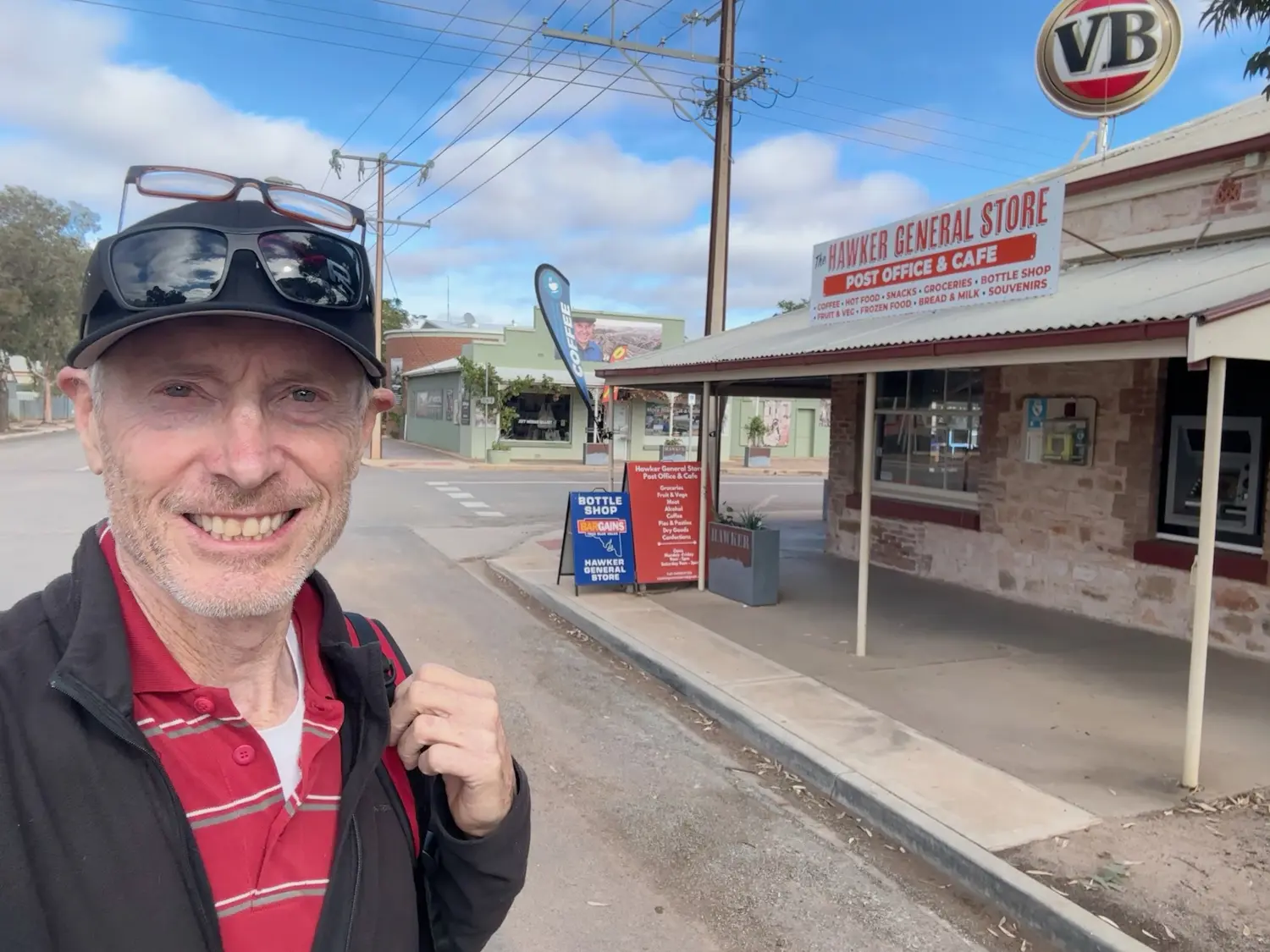 3.1 Hawker - the same spot I photographed my motorcycle in 2012
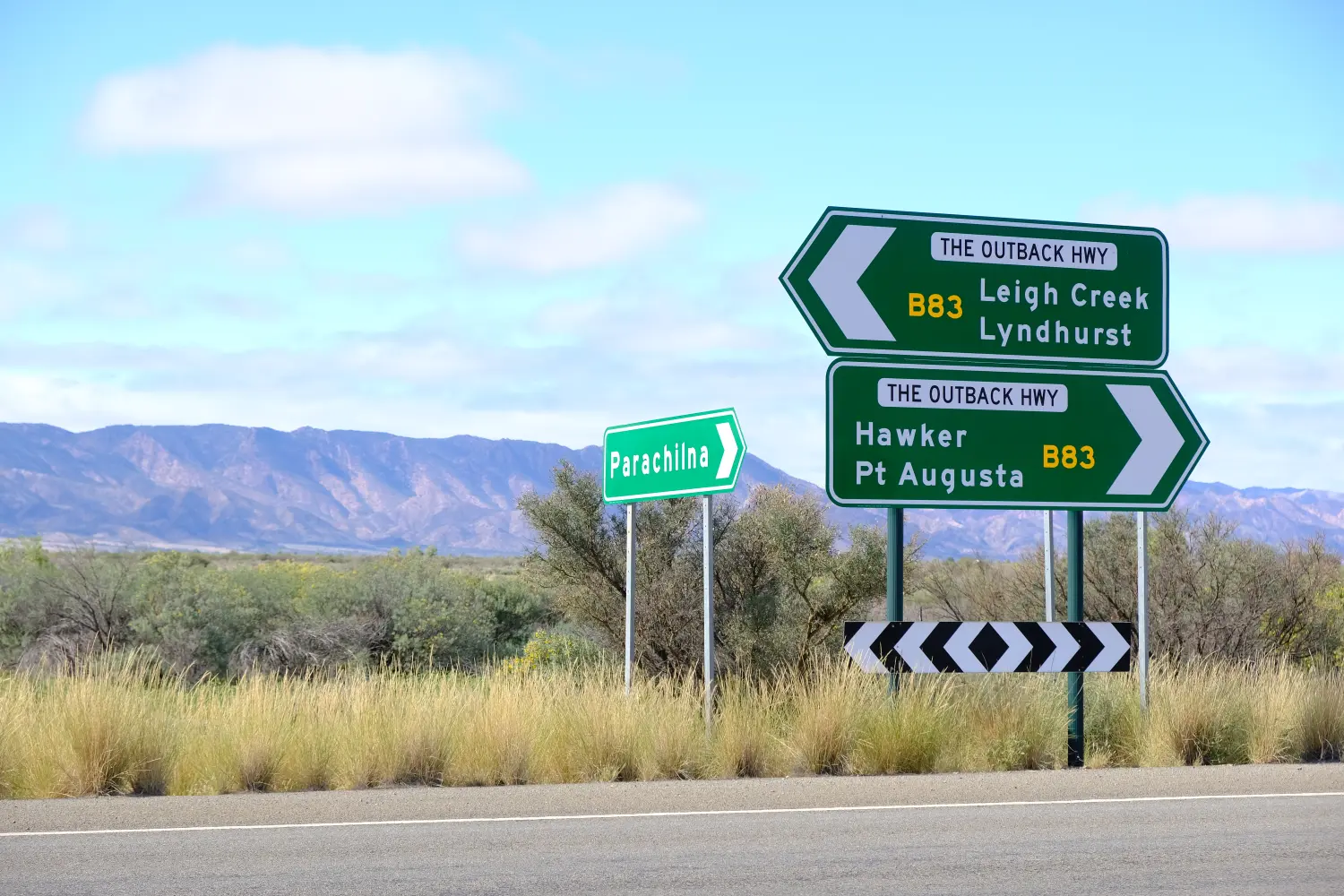 3.2 Parachilna, SthAust
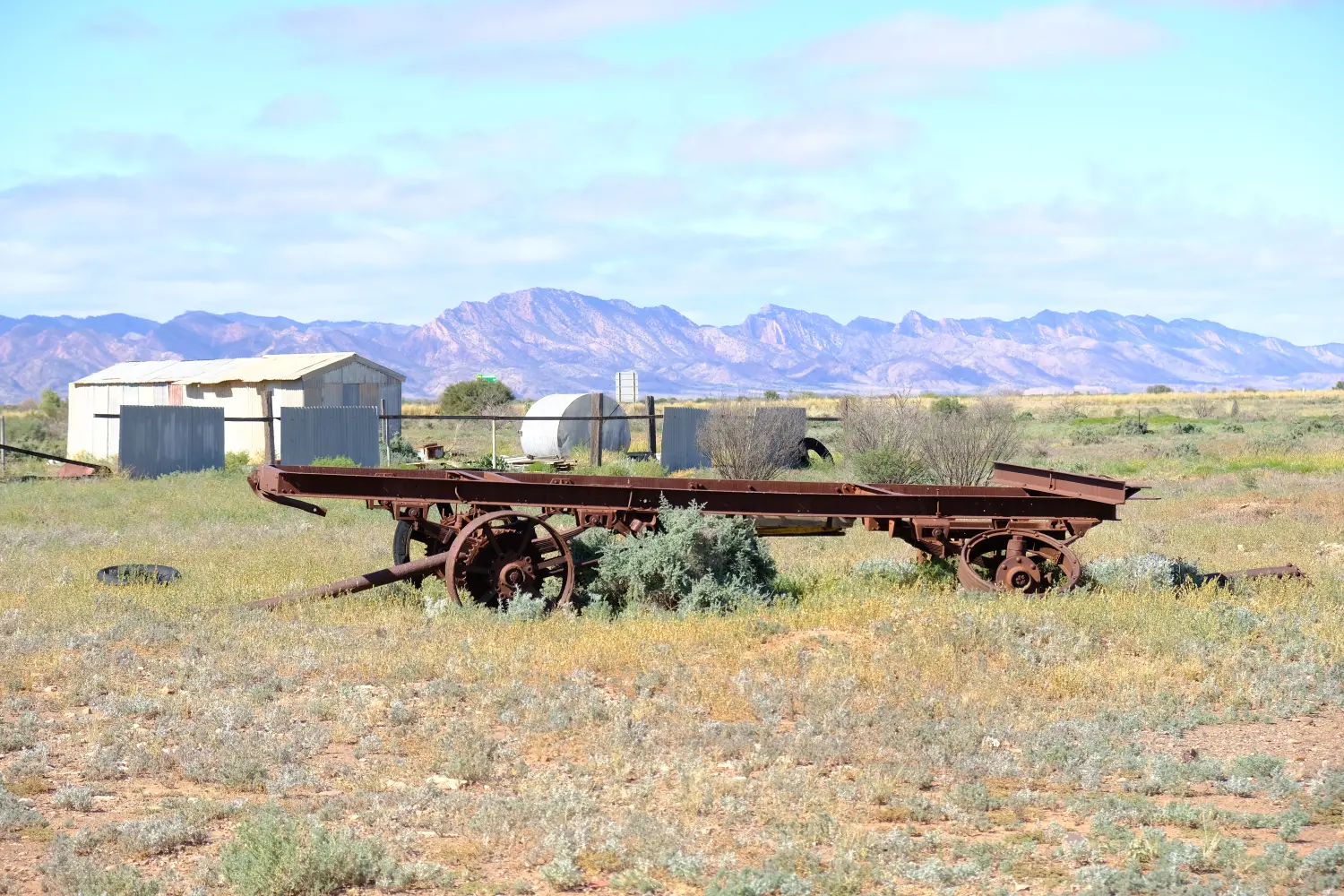 3.3 Parachilna, SthAust
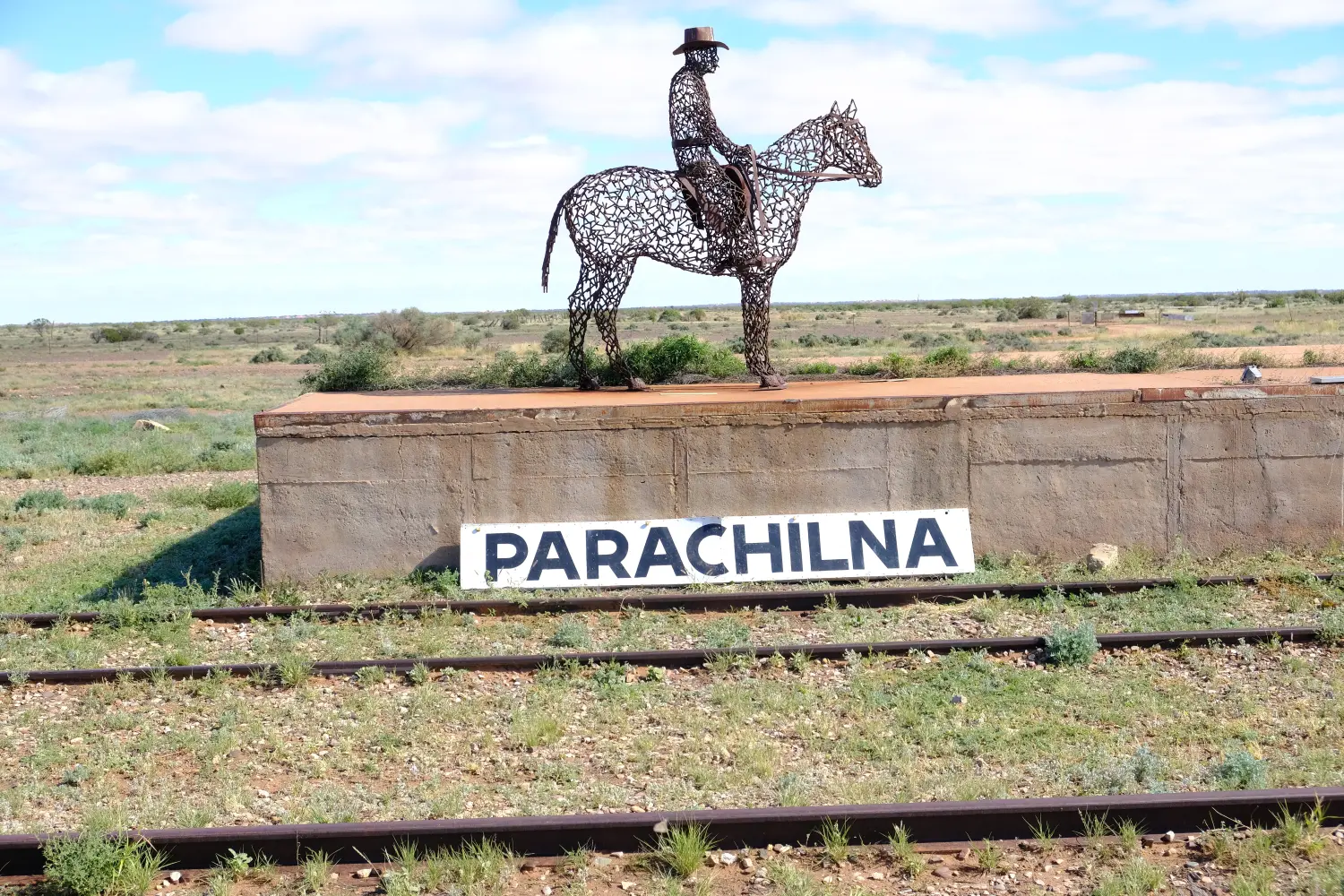 3.4 Parachilna, SthAust
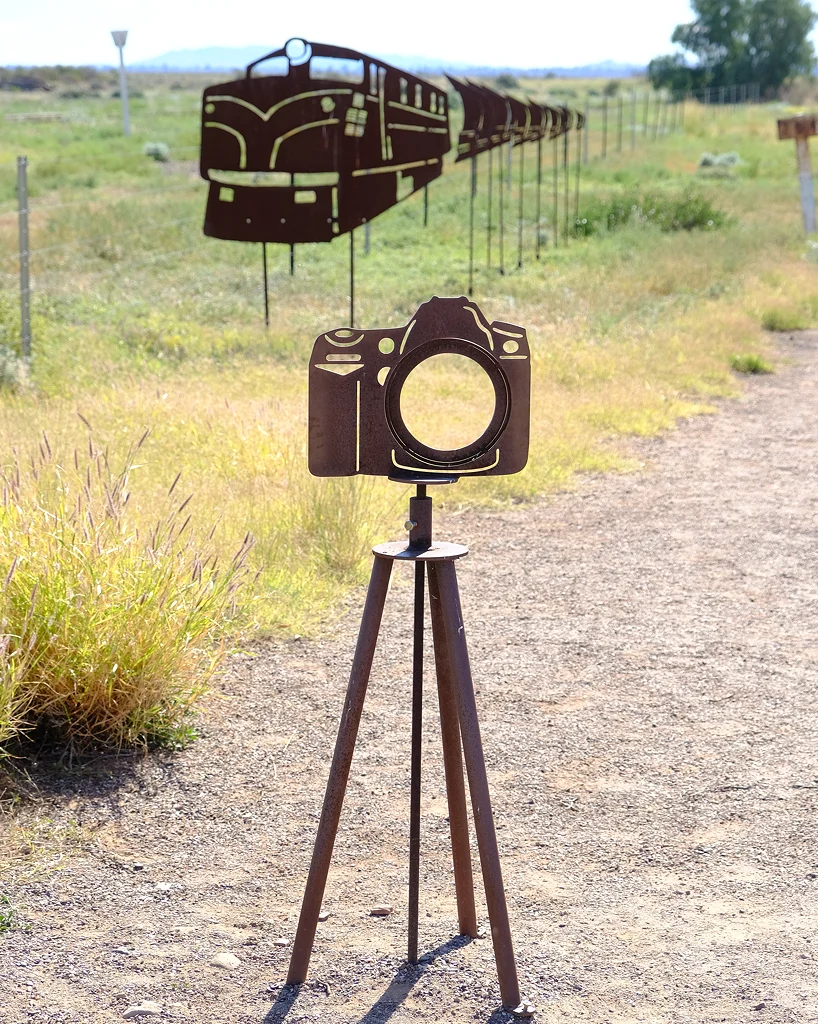 3.5 Parachilna, SthAust
We then headed north on the Outback Highway with detours to view the once Ghan railway (1878-1980) stop of Parachilna. The insect spray provided no deterant to the annoying and determined flies.
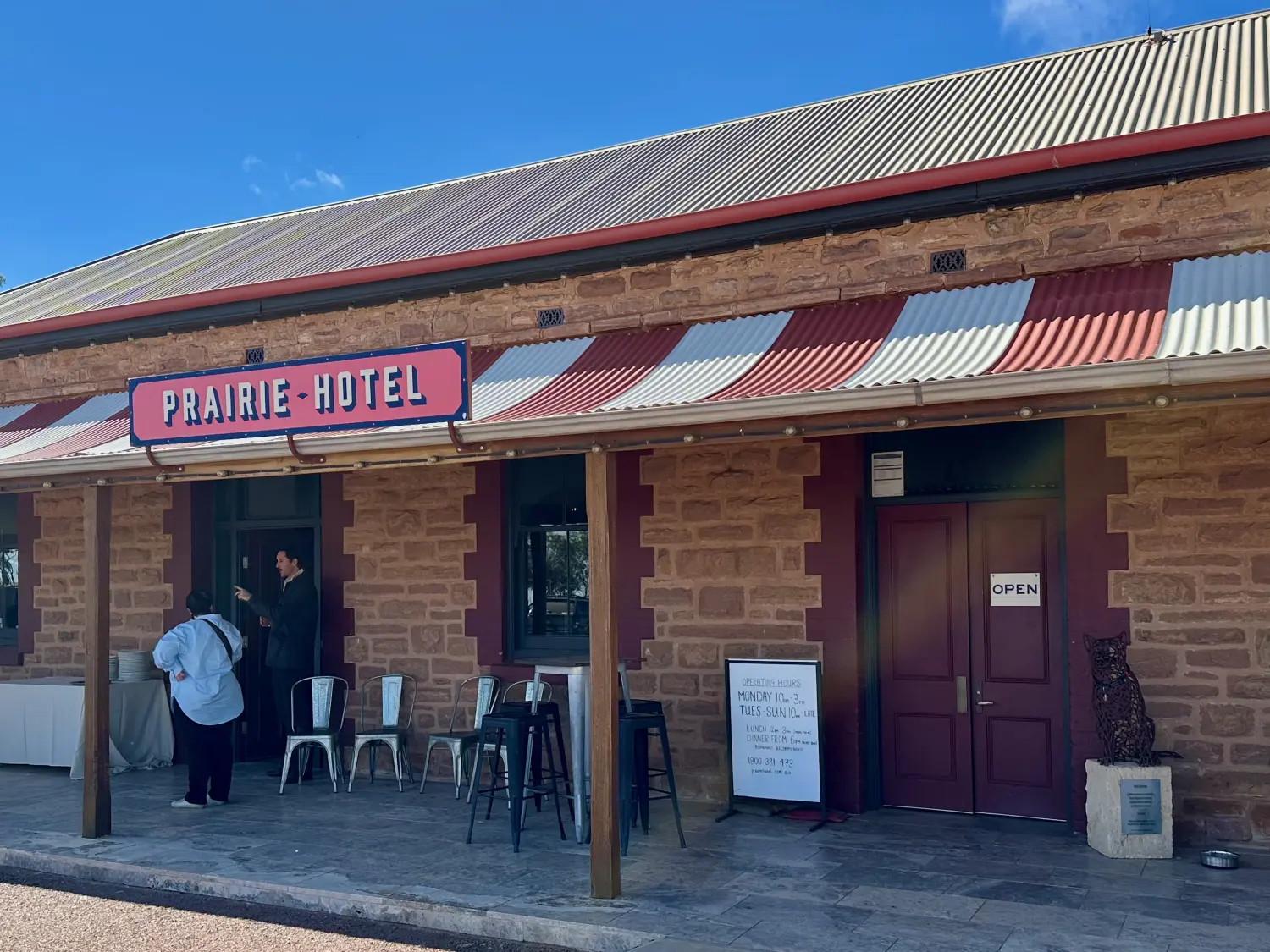 3.6 Parachilna, SthAust
The restored Prairie Hotel (built 1905) was being set up with long tables and fine table cloths and cutlery for the multi-course, $350/head, Edward Noble Outback Feast.
The landscape flattened as we travelled north with vegetation became sparer. Due to the high fuel prices and the Birdsville track being closed by flood, there were fewer grey nomads or even trucks. The bitumen road now extends to Marree, with the exception of recent road works north of Leigh Creek to raise the road level above the flood levels.
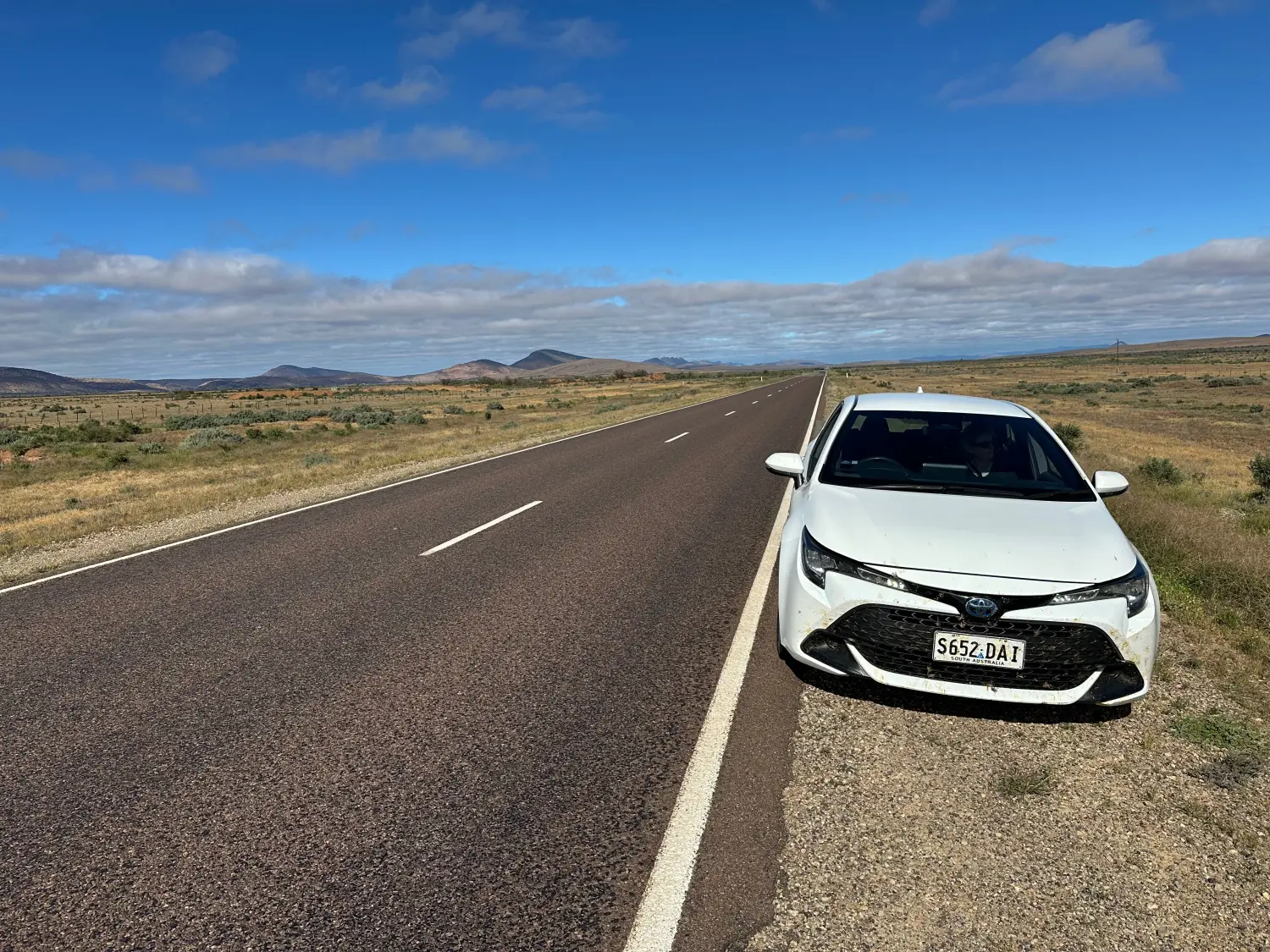 3.7 Hawker, SthAust
The remaining old Ghan rail track and the bitumen road generally follow the same route. There remains a number of steel truss railway bridges spanning the dried river beds. The cars cross via a causeway. It is easy to see why the last summer rains isolated the Marree for over a month.
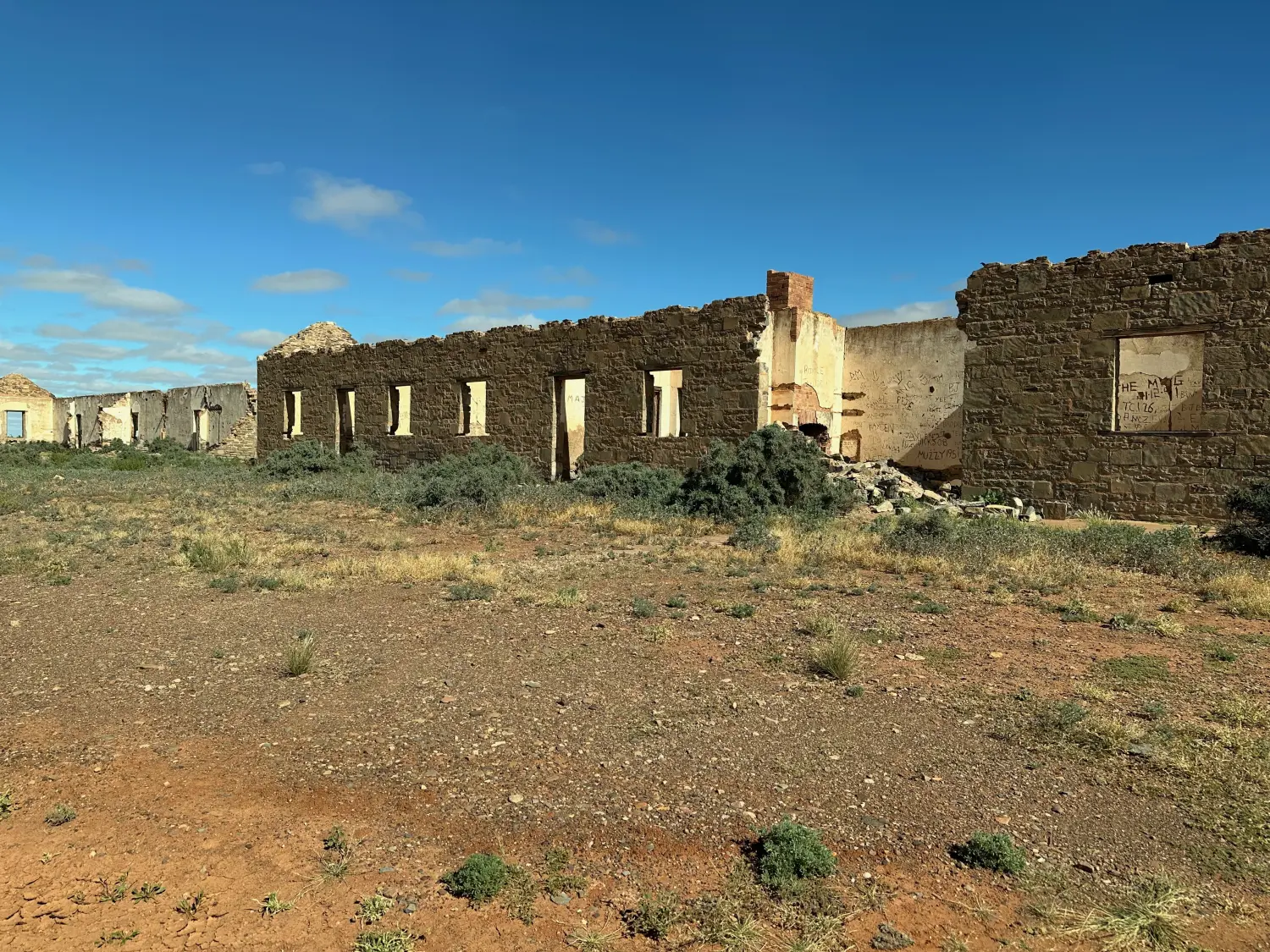 3.8 Old, SthAust
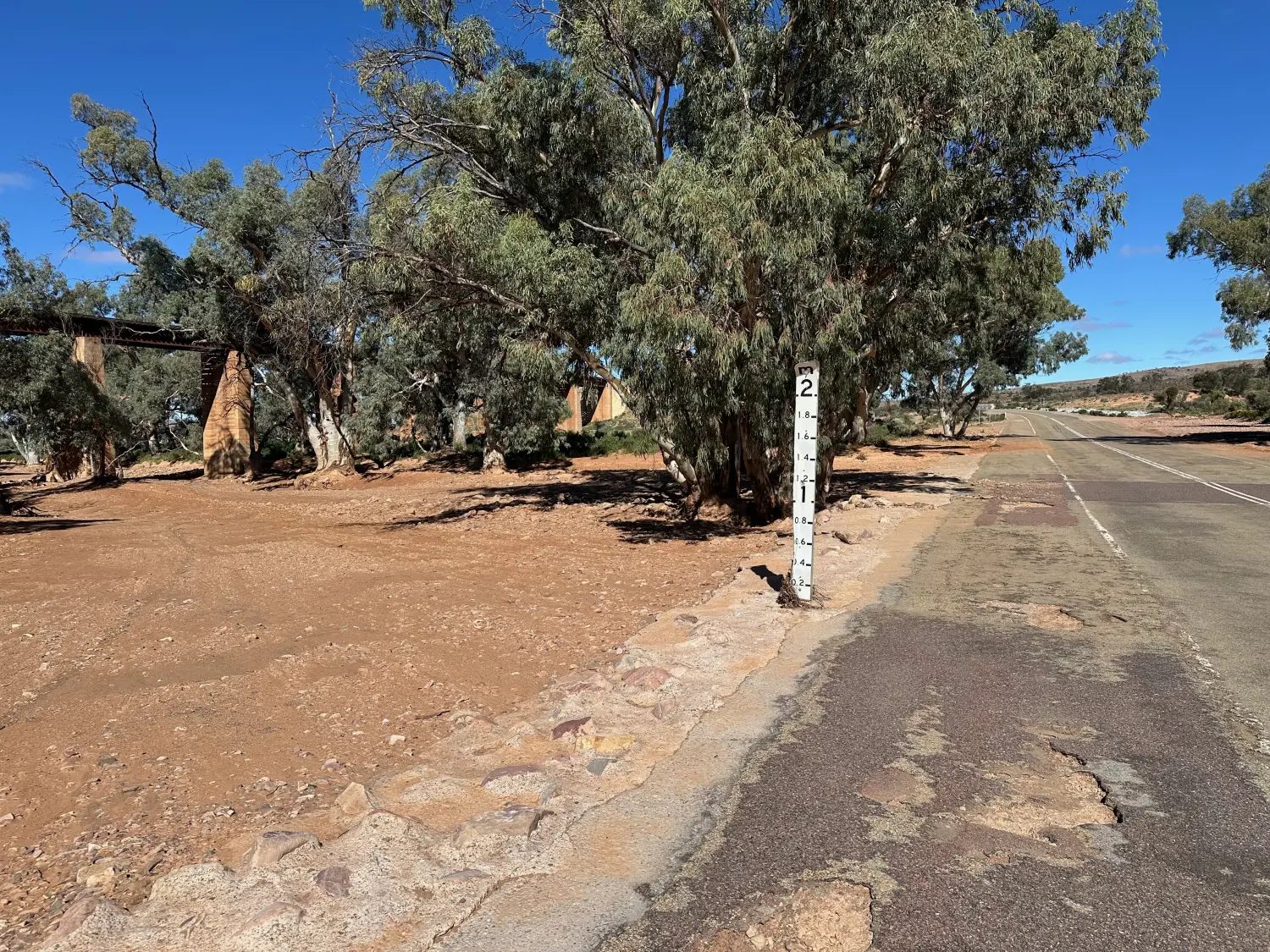 3.9 LeighCreek, SthAust
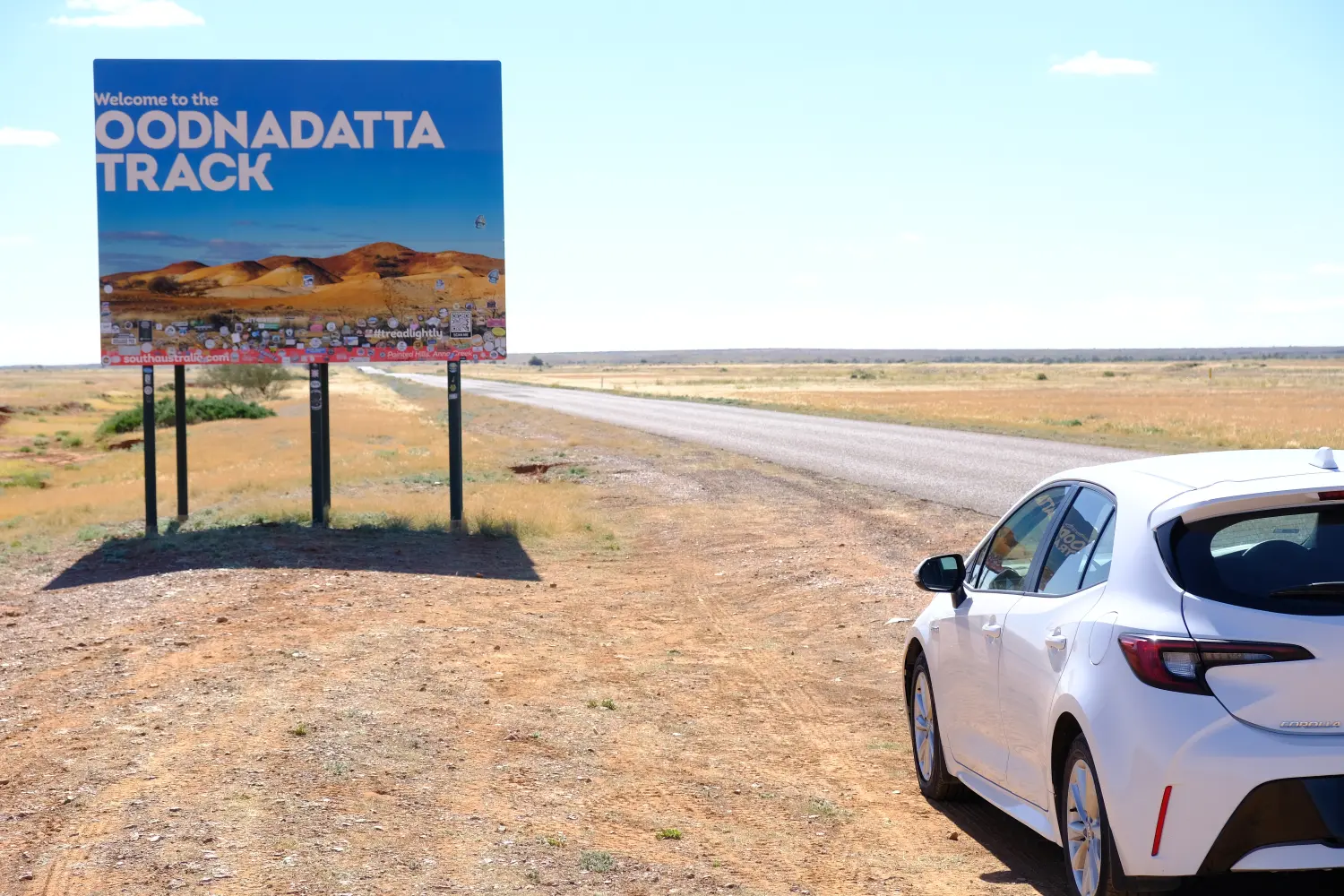 3.11 FarinaStation, SthAust
We arrived in Marree mid afternoon and checked in for three nights. The Marree Hotel is the oldest stone building in town dating from 1883 with the arrival of the railway. We upgraded to a cabin (with ensuite) from the shared bathroom rooms in the historic hotel.
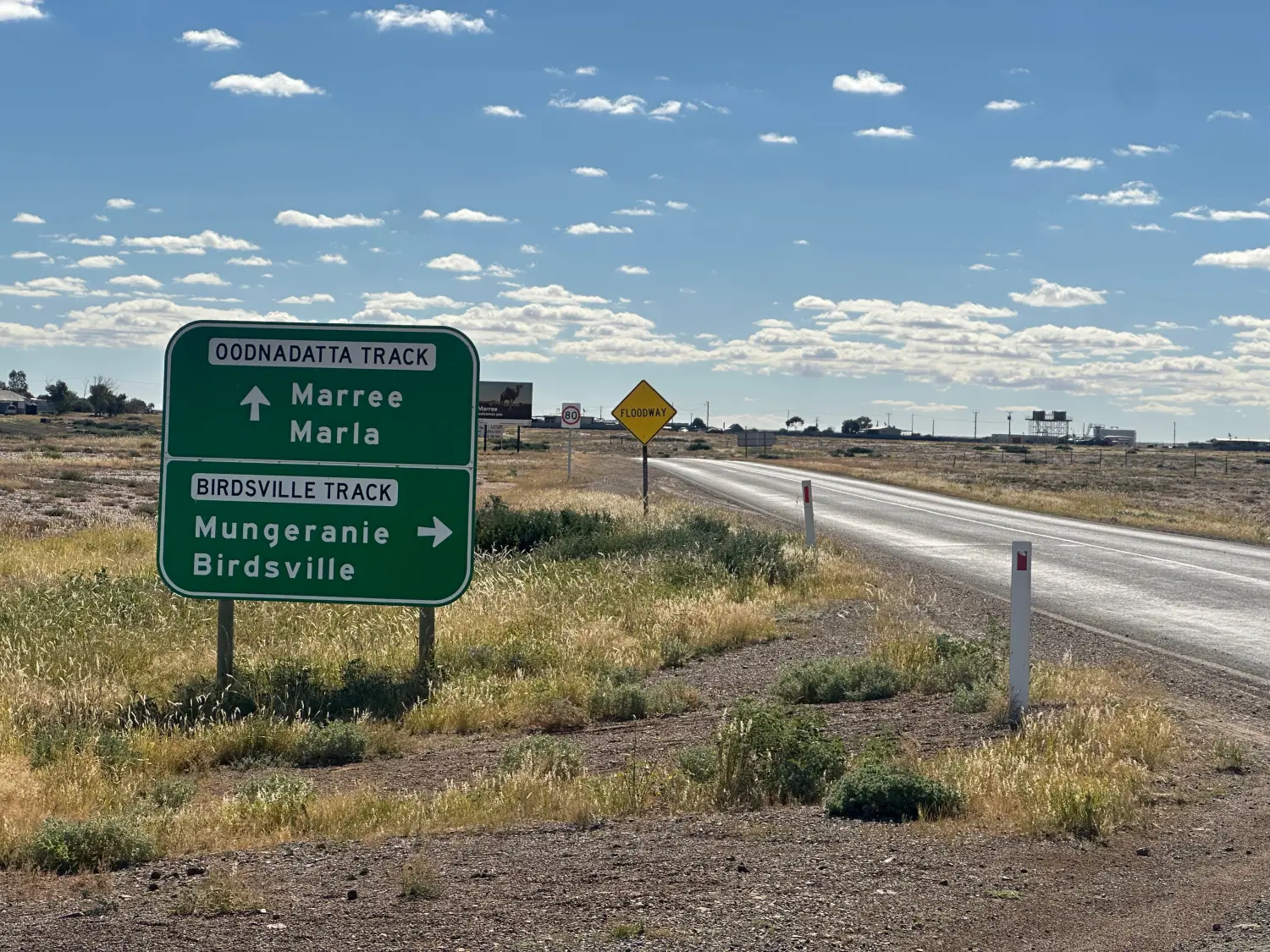 3.13 Marree; The Birdsville Track was still closed due to months of flooding
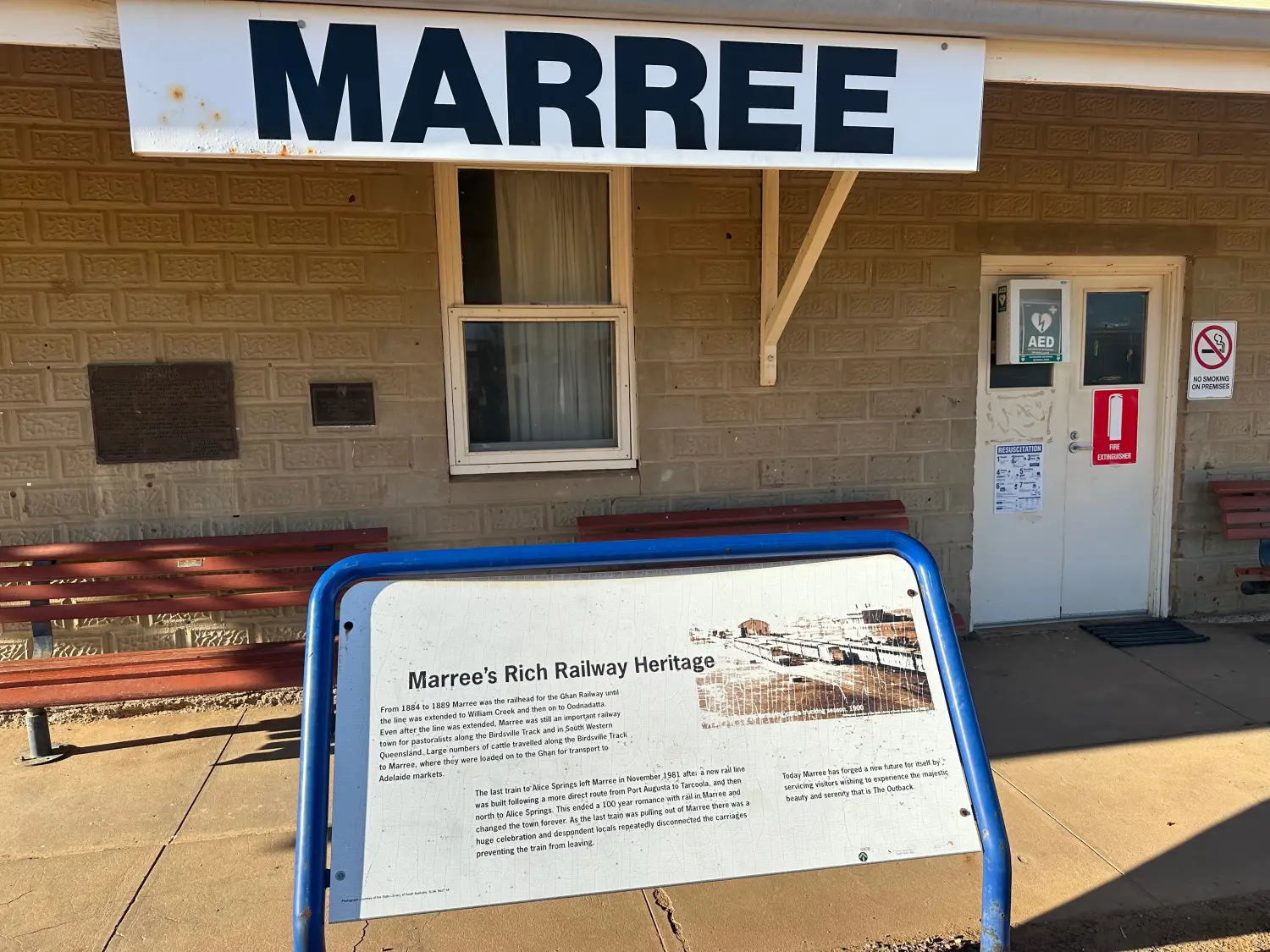 3.15 Marree Station - last used in 1980
The hotel coffee shop was still serving meals, and we enjoyed a late lunch after the 300km drive. The chatter amongst the helpful hotel international staff is a mixture of English, Irish and French as they earn some travelling dollars and earn a visa extention through the outback work scheme.
Dinner at the hotel was tasty fish & chips and chicken schnitzel. It was quite busy in the dining rooms, with a mixture of tourists and workers from the nearby road construction. With the clear skies we downloaded the “Sky Guide” app to help with viewing the stars.
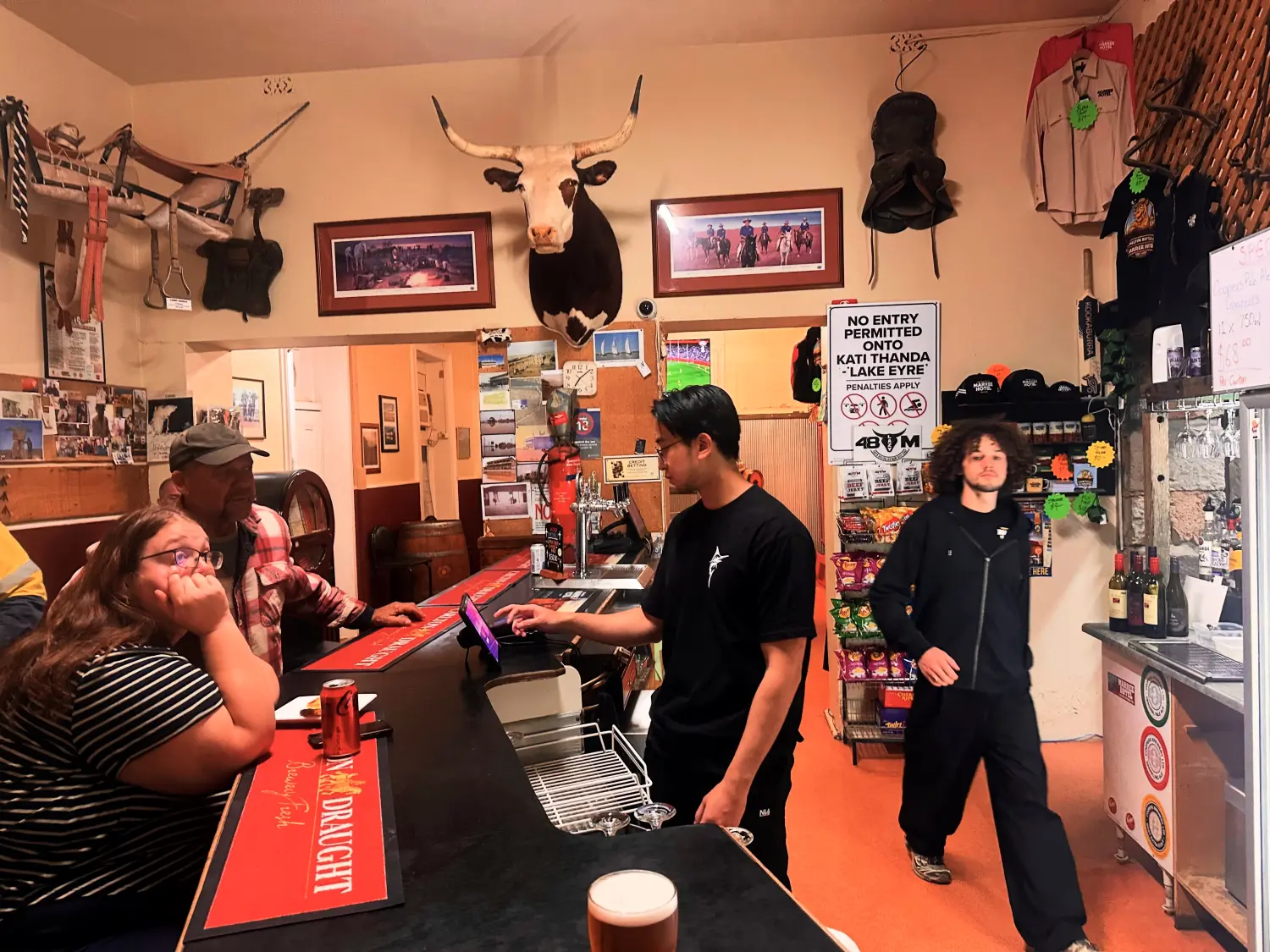 3.16 Marree Hotel Bar
In the hotel breakfast room there were lot of photos and newspaper clipping of the Donald Campbell Bluebird team from the early 60s.
Donald Campbell 1963-64 World Land Speed Record on Lake Eyre: As a kid, I remember seeing TV news of this event and had a model of the Blubird car.
From research, I found that in 1963 & 1964, the Englishman Donald Campbell was chasing both landspeed and water speed world records.
With $2 million of sponsorship from BP, Bristol Siddeley, Dunlop & Ampol, they had shipped his Bluebird speed record attempt car to Australia and up to Marree by the Ghan train. It was trucked 160km from Marree Railway station to Lake Eyre, where a lot of preparation went into a 15km prepared salt strip. Unfortunately, for the Bluebird team, a seven year drought broke in 1963. That year’s record speed attempt was abandoned when the salt became too wet and soft. By their return the following year, much of the sponsor’s money (BP) had been spent and Donald was spending his own money.
On Friday, 17th July 1964, after four years of struggle, Donald Campbell, finally broke American John Cobb’s (another famous speedster) 1947 Land Speed record speed of 394 mph, driving his Bristol Proteus Gas Turbine powered AWD Bluebird CN7 to 403mph. As this statement reflects, it was not the ideal conditions for either run : “at mile three the track had already disintegrated during the first run and Bluebird’s wheels broke through the surface of the salt and were running in ruts up to four inches deep and filled with water”
On 31st December 1964, Donald broke his own water speed record with a speed of 276.33 mph, also in Australia and become the only person to break both the land and water speed record in the same calendar year. Campbell sadly died in 1967 trying to break the water speed record in his Bluebird K7 hydroplane boat on Coniston Waters in the English Lakes District.
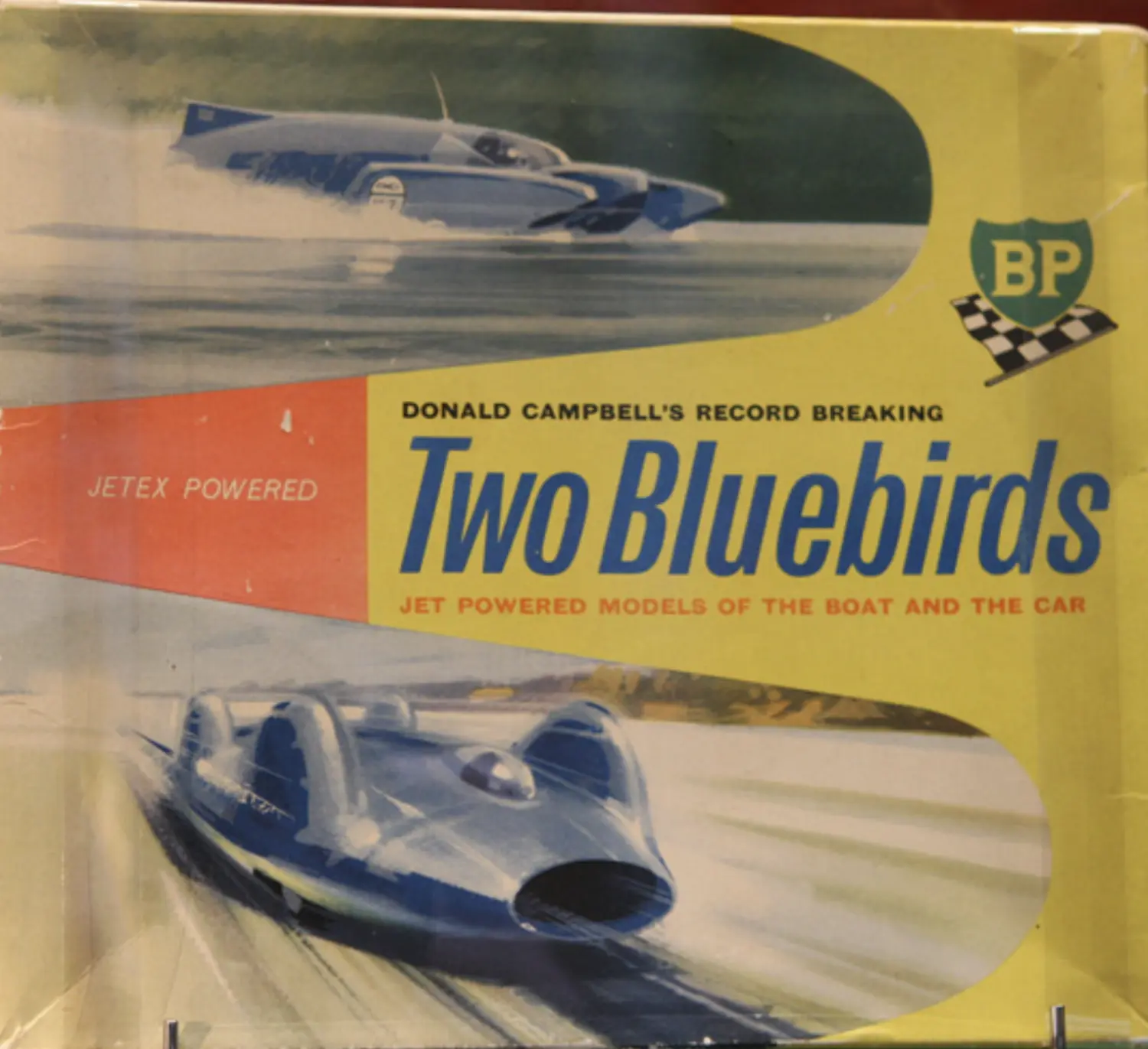 3.12 Donald Campbell’s Bluebird 1963-64