Day 7 - 2026-05-13 - Clare to Tanunda
After breakfast we visited the car wash and 5 minutes later we had removed the red outback dust and the layers of dead locusts on the car radiator grill. Next we started on a leisurely drive through the Clare Valley wineries and farm lands, south toward the Barrosa valley.
The first stop at 18km was the tiny historic village of Mintaro (circa 1849), where we took photos and admired the large number of preserved historic houses and retail main street.
Mintaro
1840s: the location started as a staging point for bullock trains carting copper from Burra to Port Wakefield.
1854: A slate quarry opened and provided a lot of roofing material.
1870: there was a flower mill and railway station.
1879: The grand sandstone house of Martindale Hall was built.
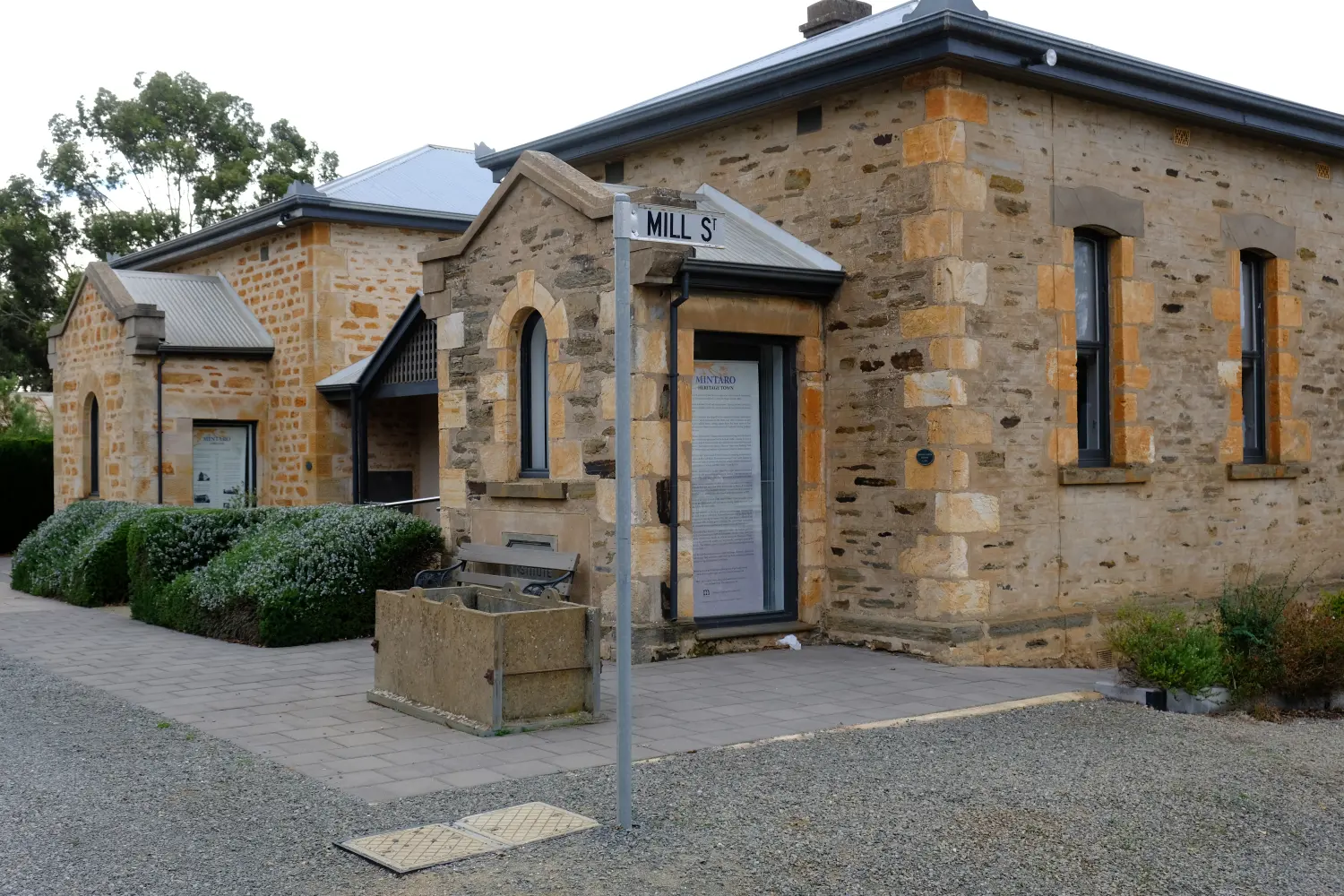 7.1 History Mintaro - more blue stone buildings
Another 14km along we came to the larger historic town of Auburn and enjoyed morning tea in the garden cafes at the Velvet and Willow Winery, followed by a walk around the gardens and town’s historic building.
Auburn
1859 The Post Office , Library, Police Station & Courthouse all featured the excellent work of Welsh Stonemason Joseph Mellor. He said the work on the stain glass window above the alter on the Anglican Church was some of his finest work - The church is now for sale!
1850: Rising Star Inn (Public House) with 18 rooms, stables and garden opens.
1907: Rising Sun Hotel is build on the inn of the same name and stands today.
1918: the Spalding railway line opened. The lined closed in 1980.
1970s: tourism arrived and it is considered the Gateway to the Clare Valley.
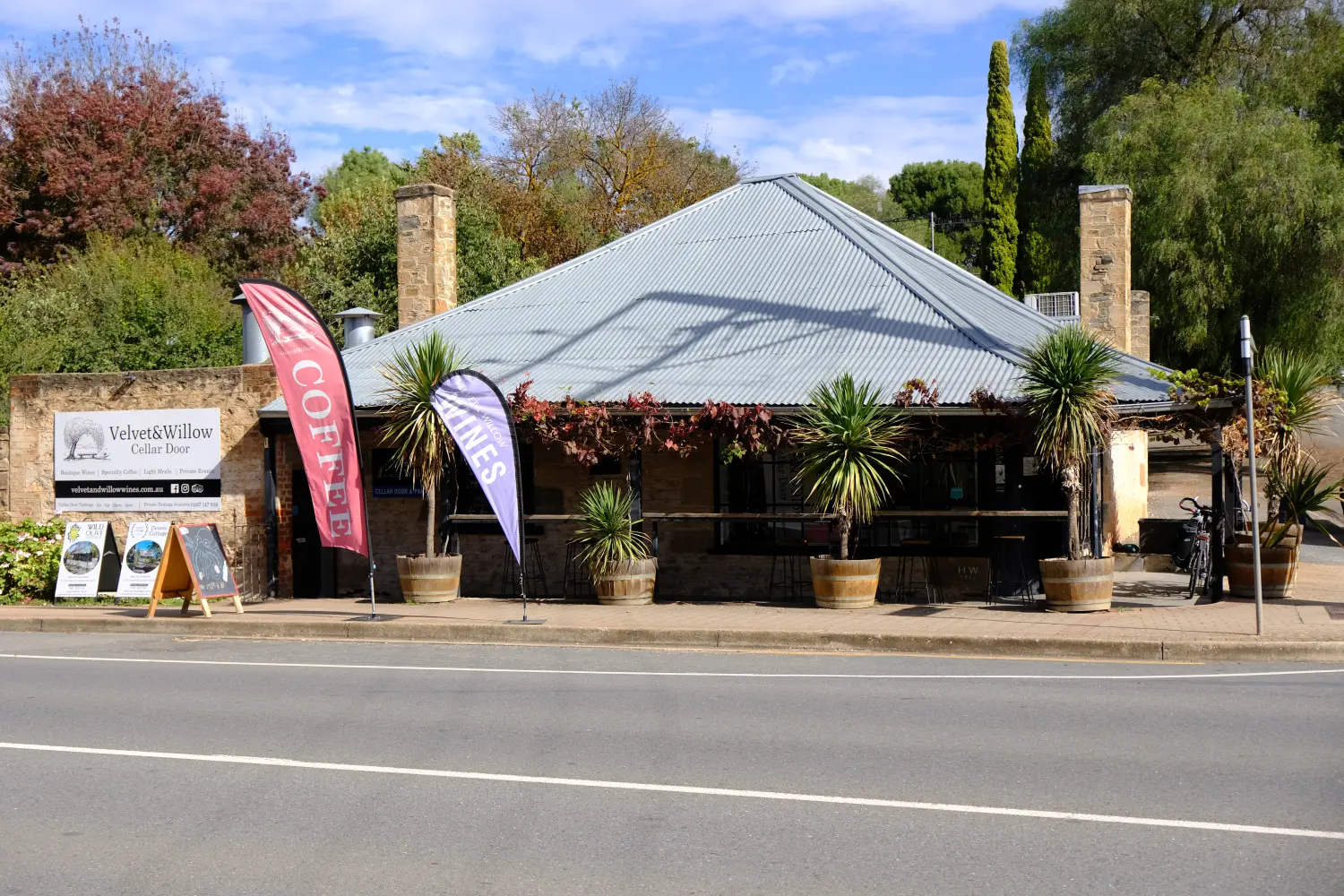 7.2 Coffee Shop at “Velvet and Willow Winery”, Auburn
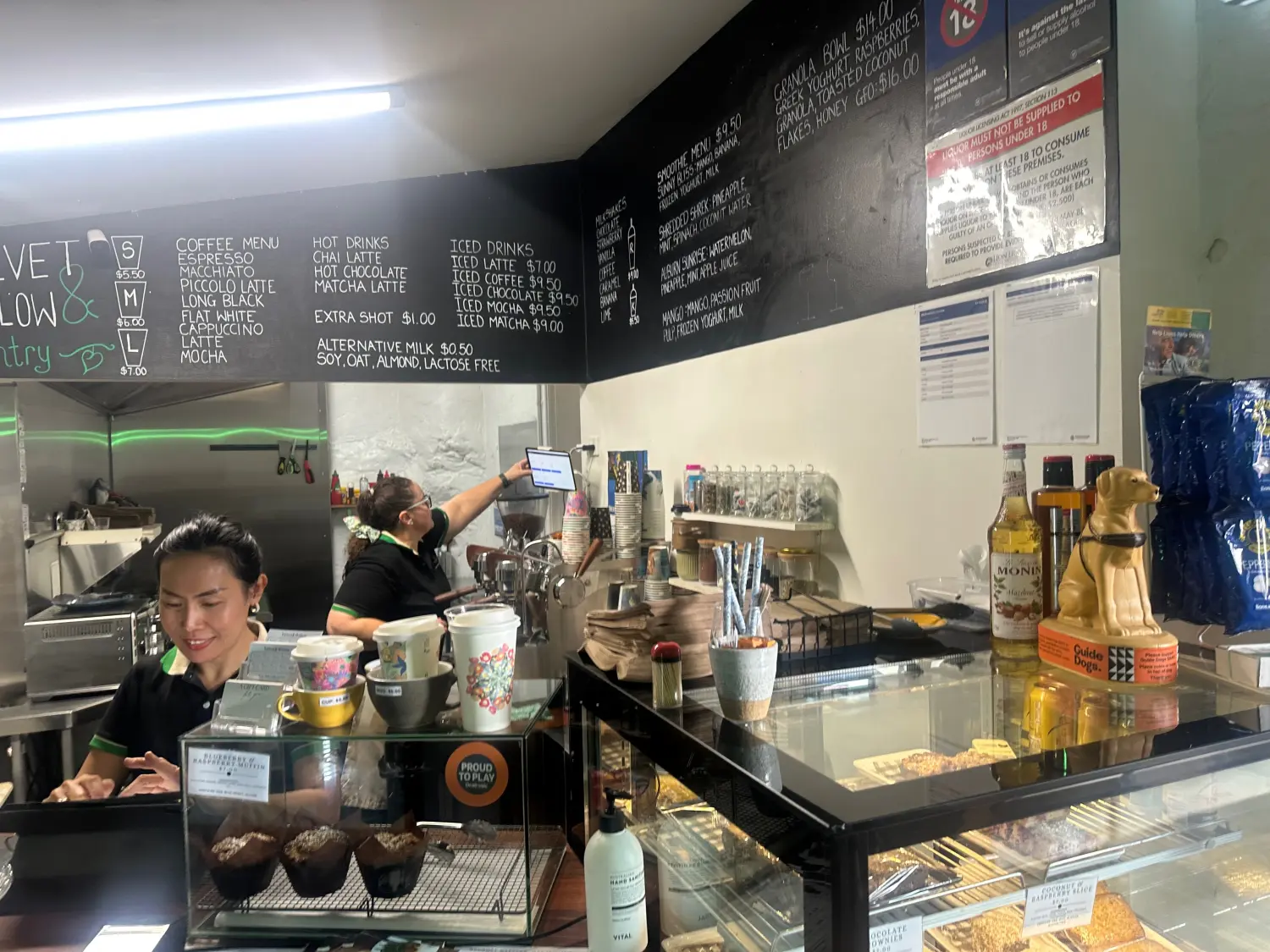 7.3 Coffee Shop at “Velvet and Willow Winery”, Auburn
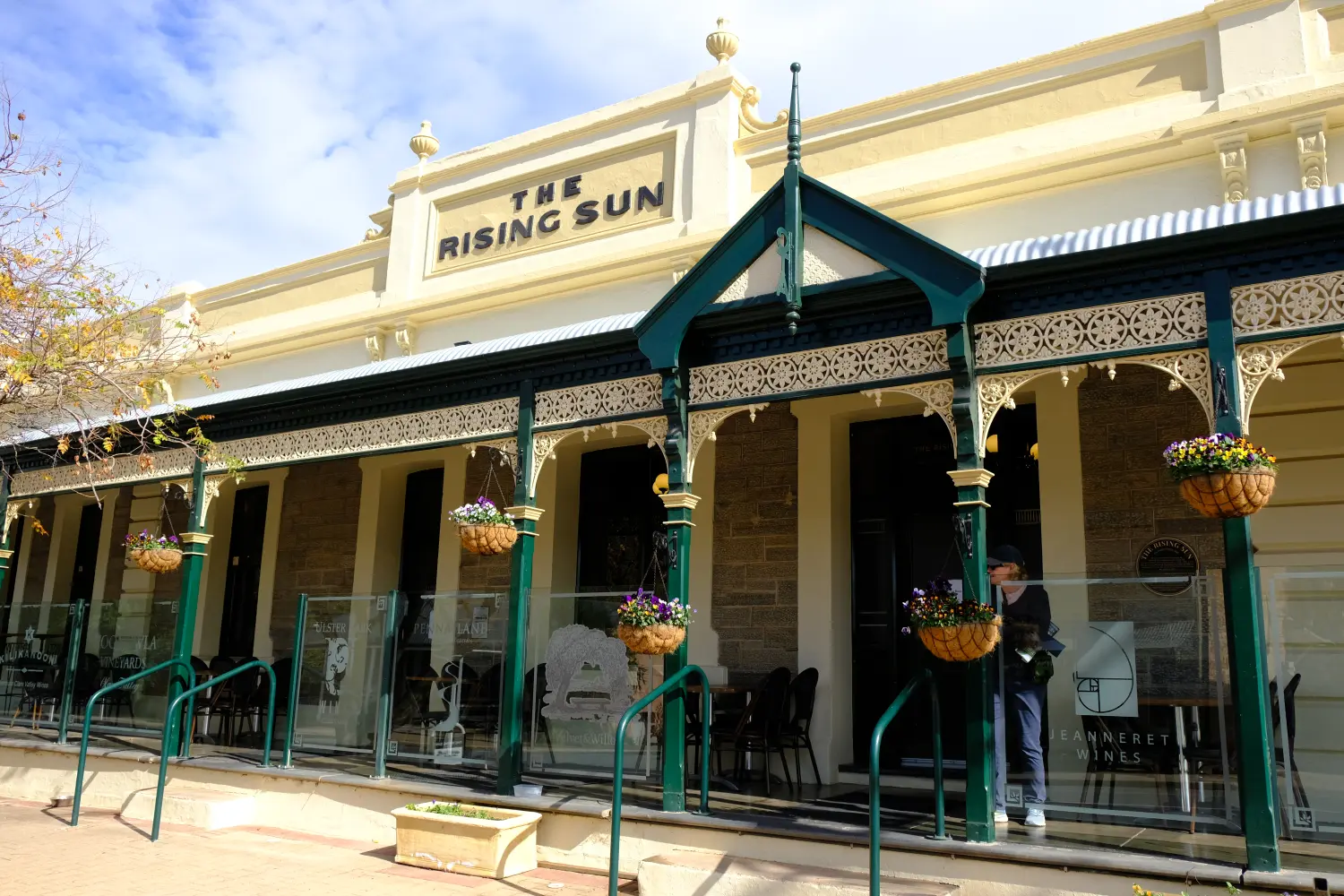 7.4 The Rising Star Hotel - 1907
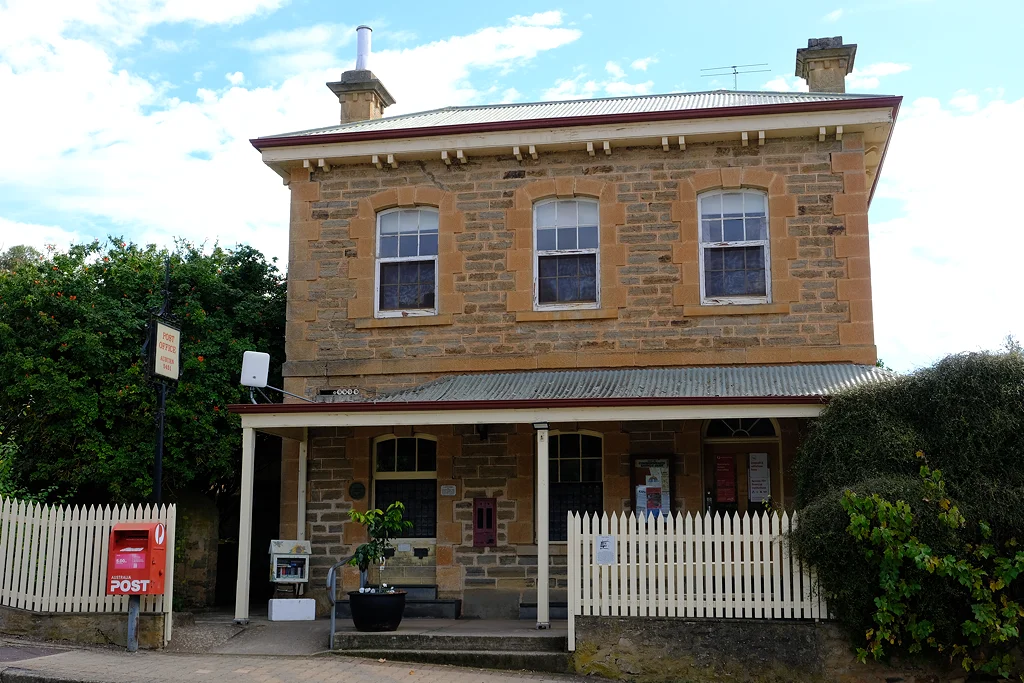 7.5 Auburn Post Office
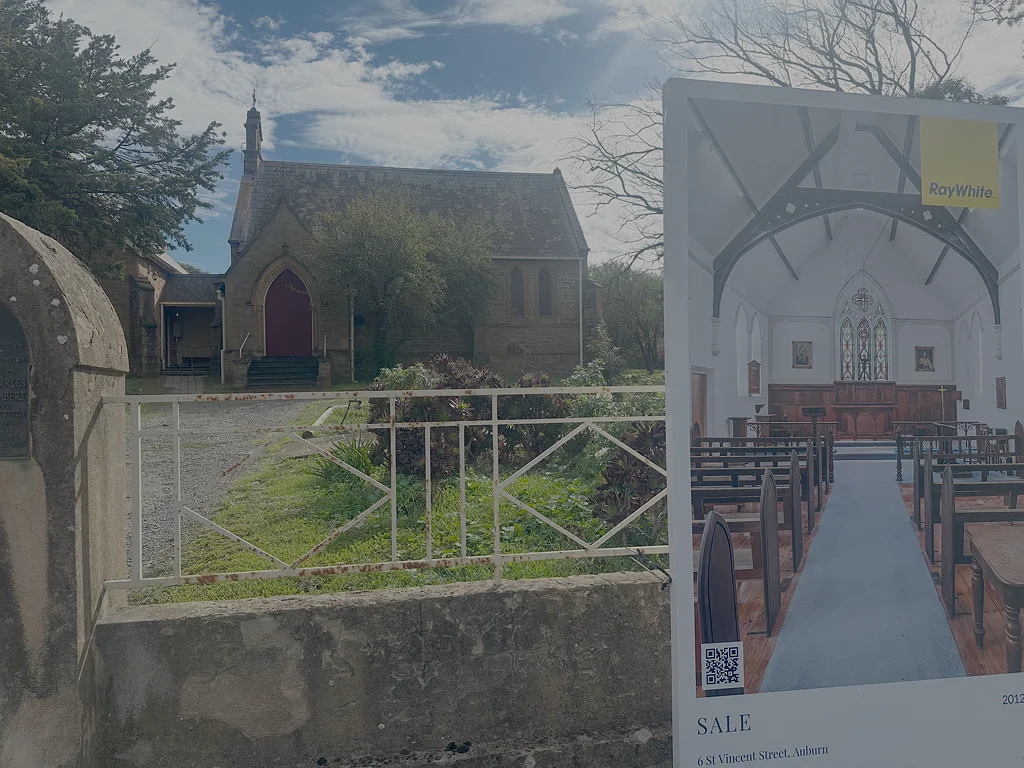 7.6 Anglican Church of St John, built 1862
We continued another 47km through rich and scenic farmland where I even saw a camels farm.
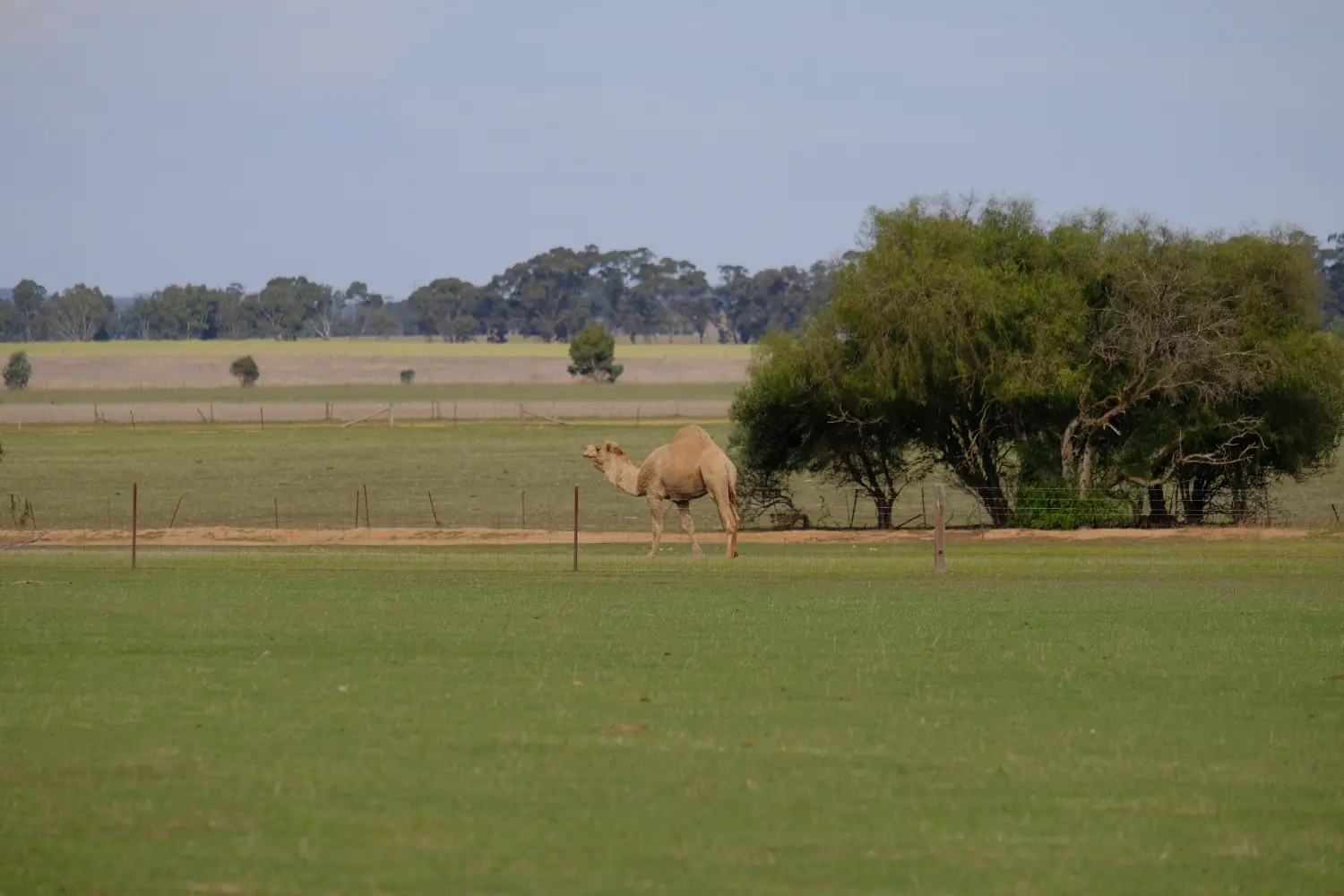 7.7 Camel Farm - Marrabel
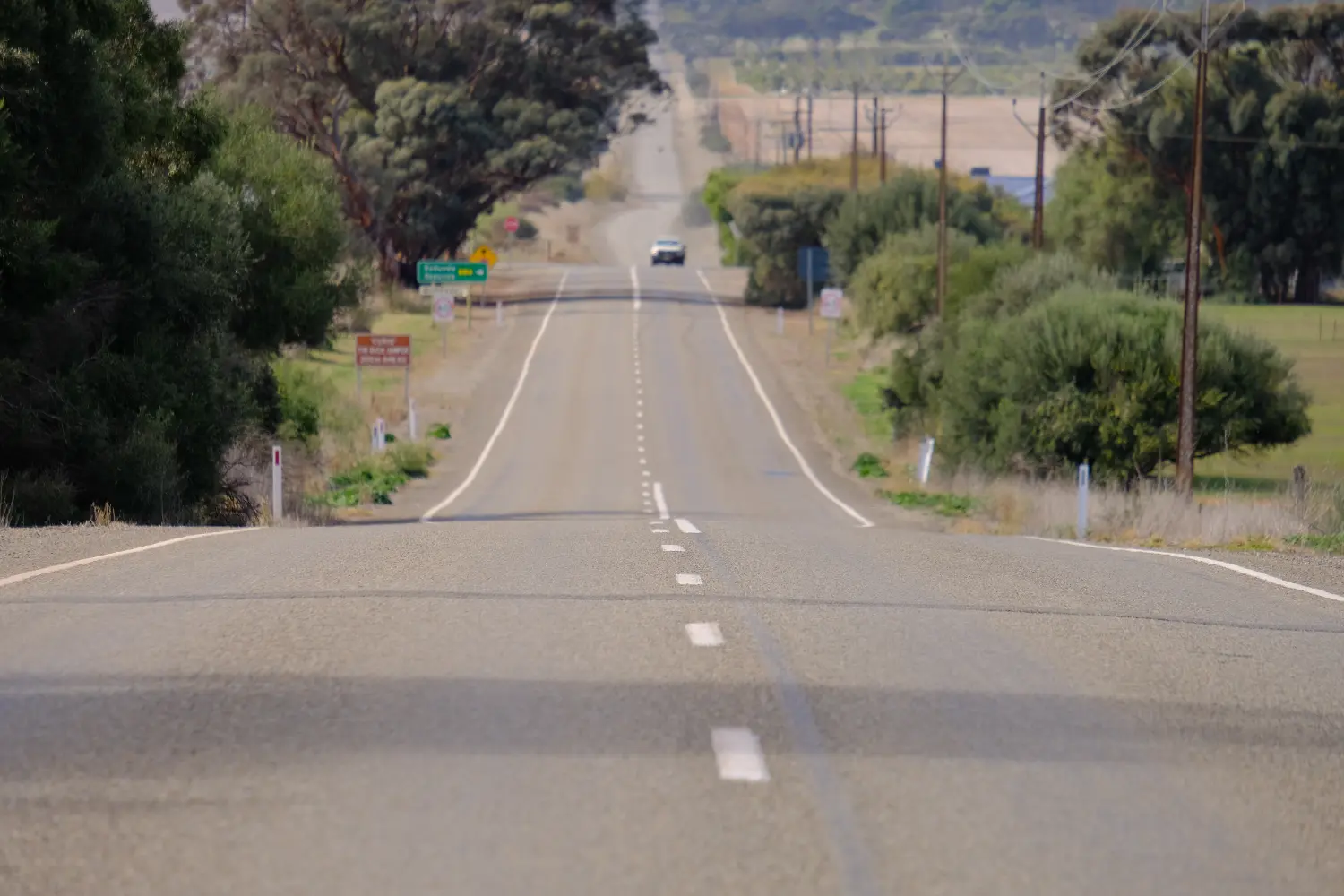 7.8 Marrabel, SthAust
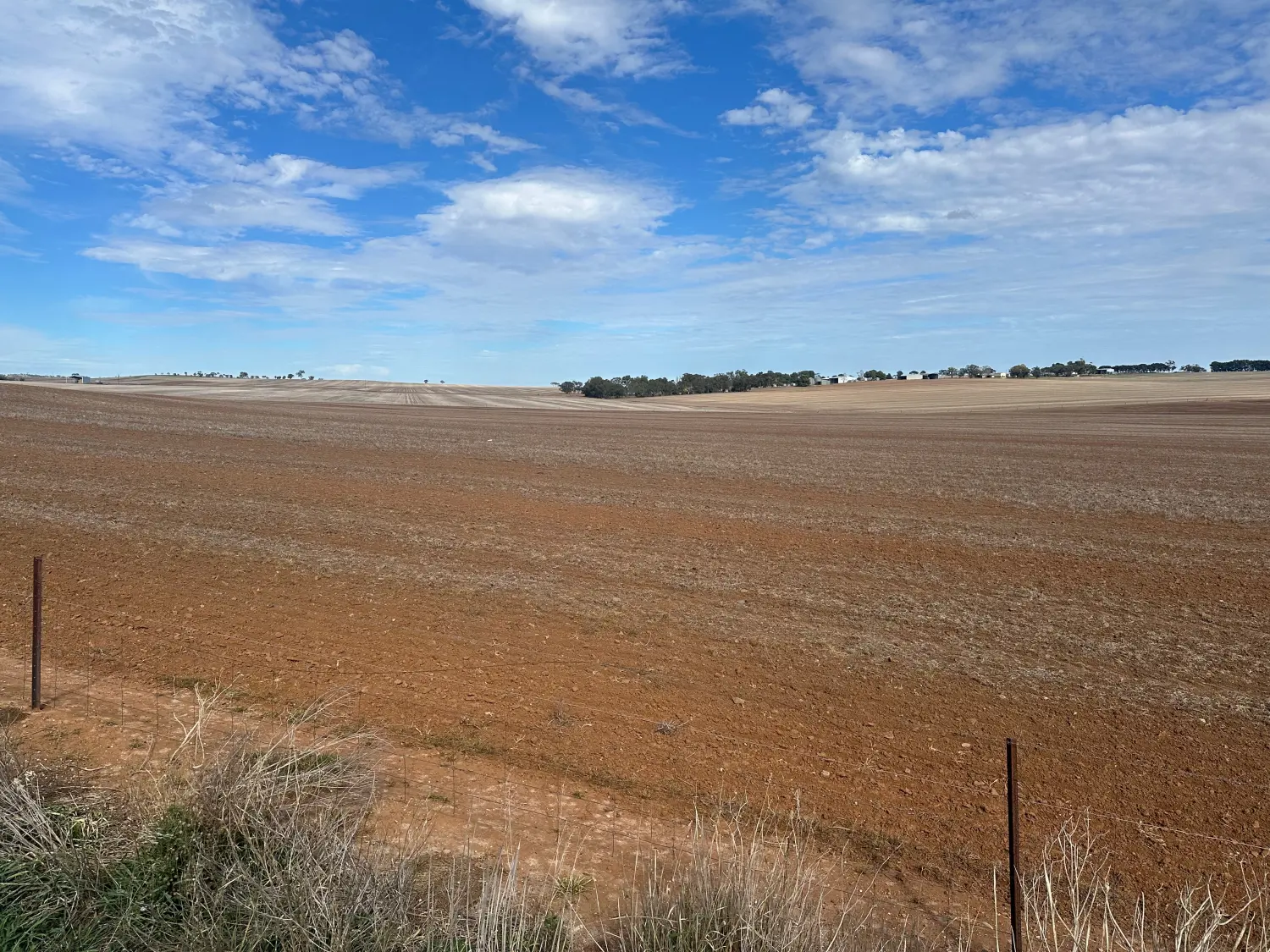 7.9 Saddleworth, SthAust
We arrived at the old rail town of Eudunda and found the pair of 30m silos painted by a local artist with a contrasting story of growing up here as a white farmer’s child or as a young aborginal girl. The artwork is amazing in terms of size, detail, and historical importance of the wheat agriculture and the railway in this town.
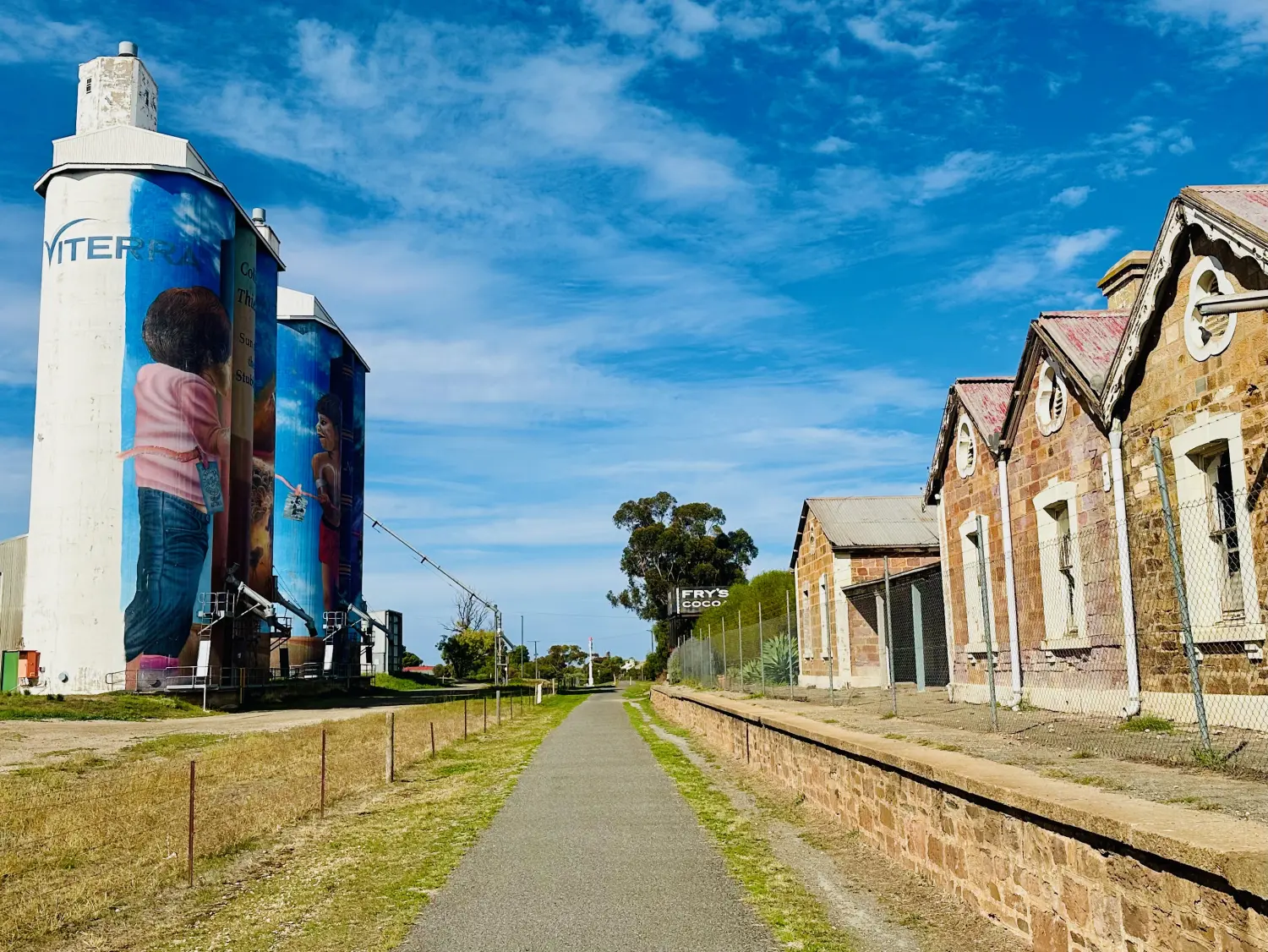 7.10 Eudunda - Historic Railway Station and the Wheat Silo Art
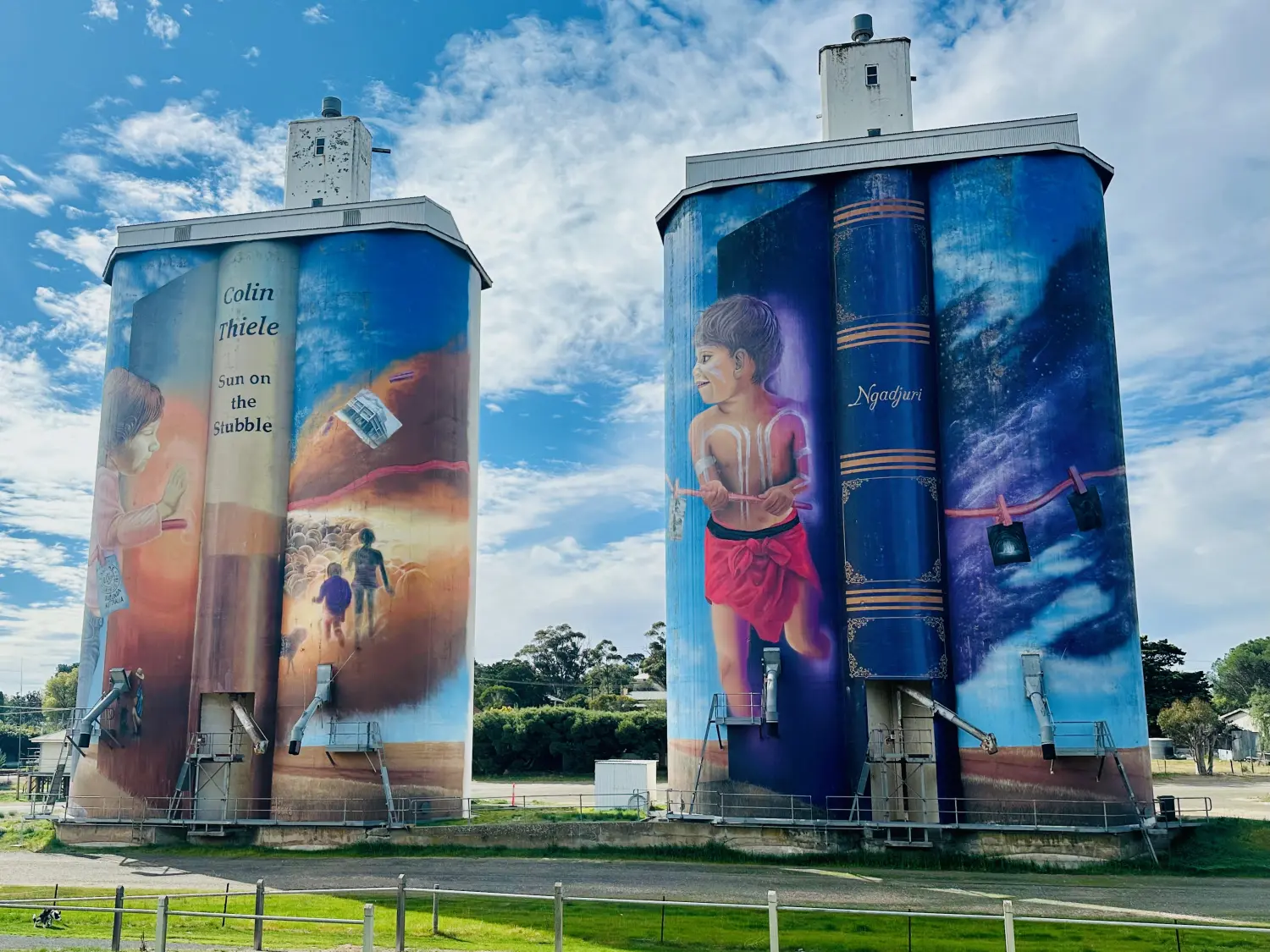 7.11 Eudunda Wheat Silo Art
Next stop was another historic town of Kapunda, this time with an old copper mine. The discovery in 1842 of copper started a mining boom which turned the region into a bustling hub of industry.
Kapunda
1842: Copper ore discovered and mining commenced in 1844 - this mine is considered to be the birthplace of Australia’s commercial mining industry.
1851: Welsh immigrant miners started smelting the copper ore. 1,200 tonnes of copper were extracted from the low grad ore valued at 85,000 pounds. 1863: major machinery and farming equipment manufactures started.
1877: Copper prices fell in and the mine closed in 1879. Unfortunately the processing plant cost 60,000 pounds to build in 1867 and the whole operation ran until 1878 and was a financial failure.
1870s: Local quarries provided work and produced marble ranging from dark blue to white to be used in many of the stonebuilt building still standing.
1880s: “The Cattle King”, Sir Sidney Kidman (1859–1935) lived in Kapunda from early 1880s, married and raised four child there. In 1900, he purchased the grand residence (built in 1876) and named it “Eringa” after his Eringa Station. He moved to Adelaide in 1921 and donated Eringa to the Dept of Education, where it had roles as classrooms, library and administration offices, until it was gutted by fire in 2022.
The 60 min path walk around the mine was excellent with lots of safe fencing, good vantage points and historical information on display. The green colours of the copper in the open cut mine were easy visible. There were a number of vertical mine shafts still visible and it was easy to see the danger and difficulty of extracting copper ore.
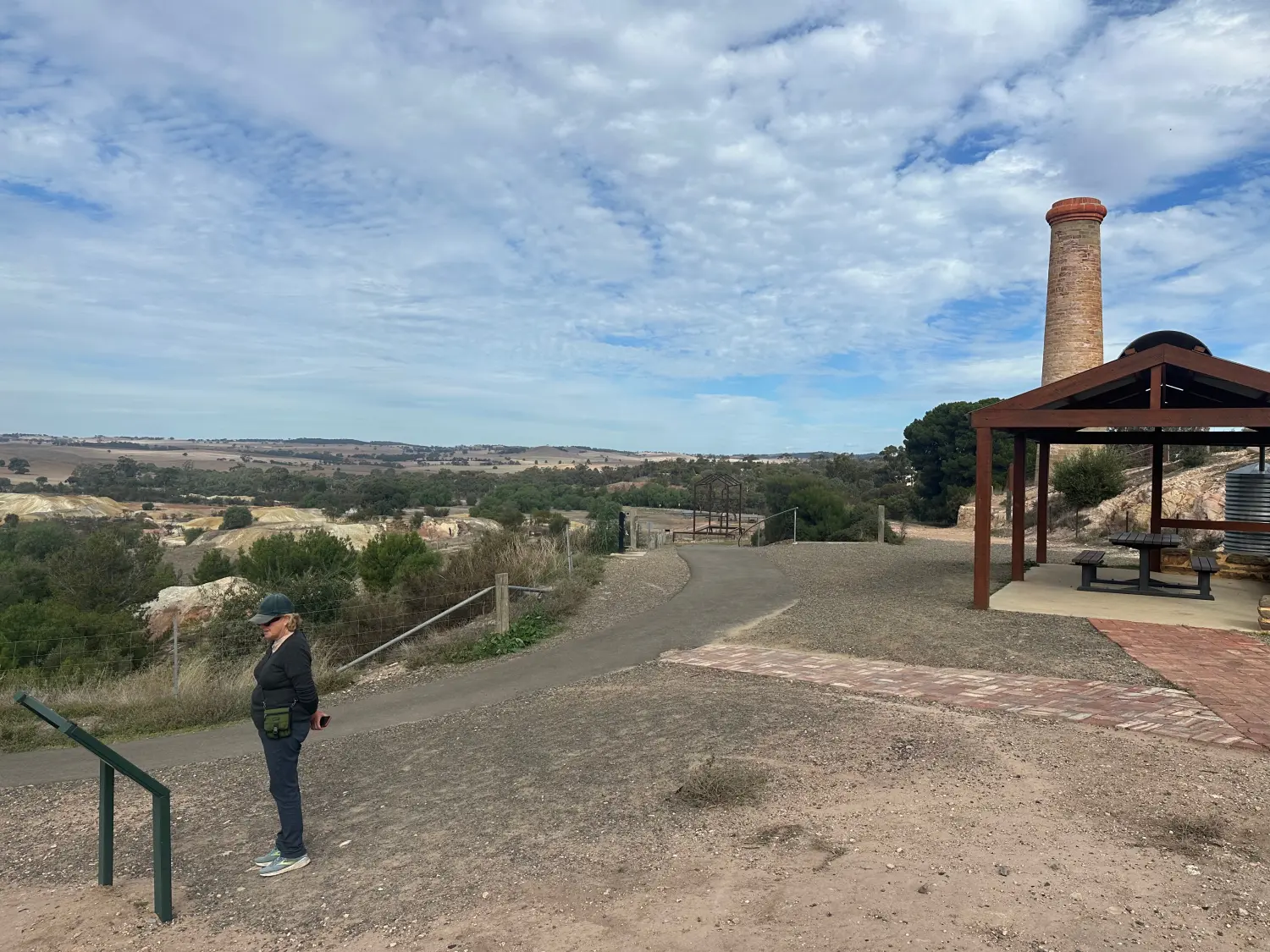 7.12 Copper Mine (1844-1877) Self Guided Walk
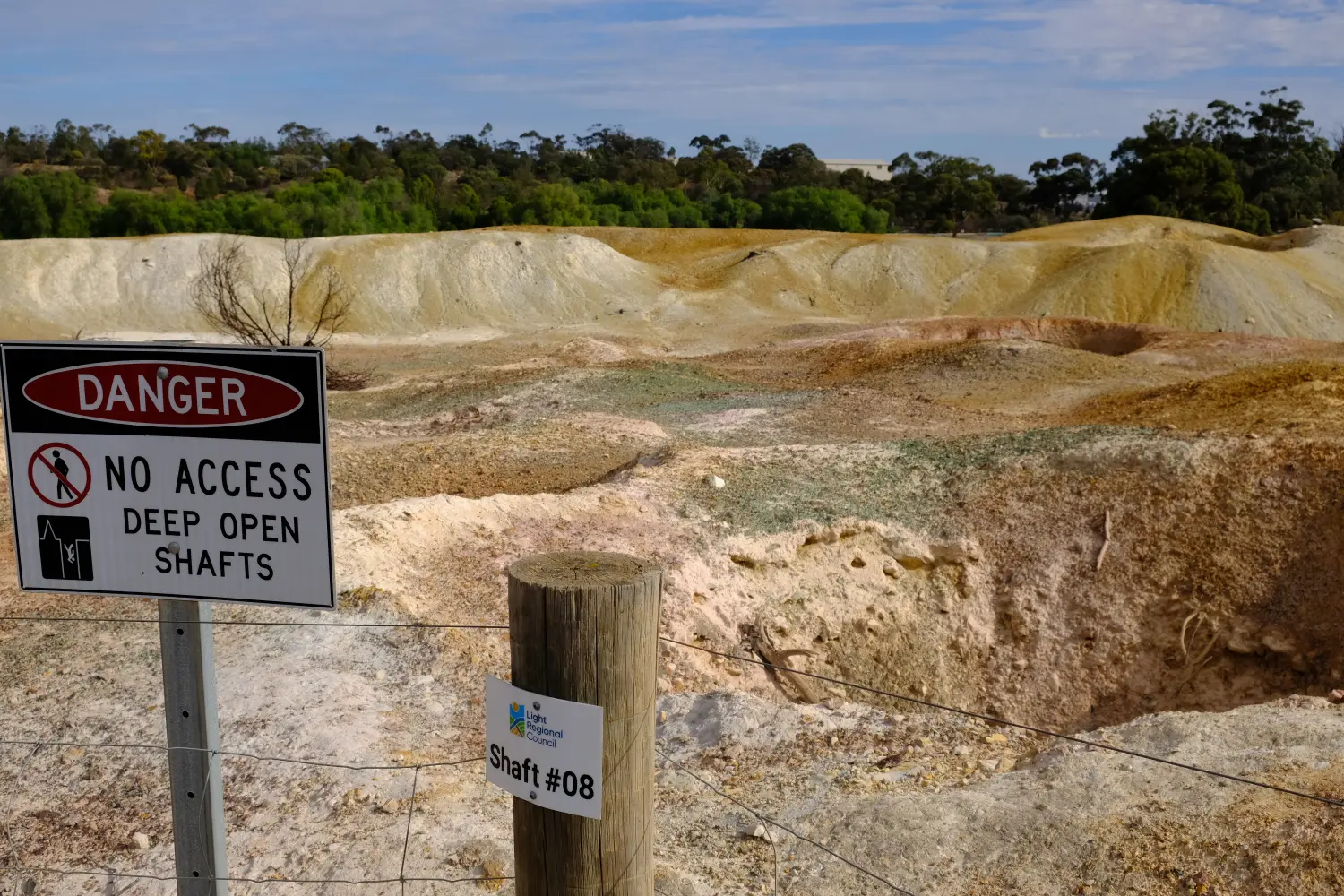 7.13 Copper Mine (1844-1877) Self Guided Walk
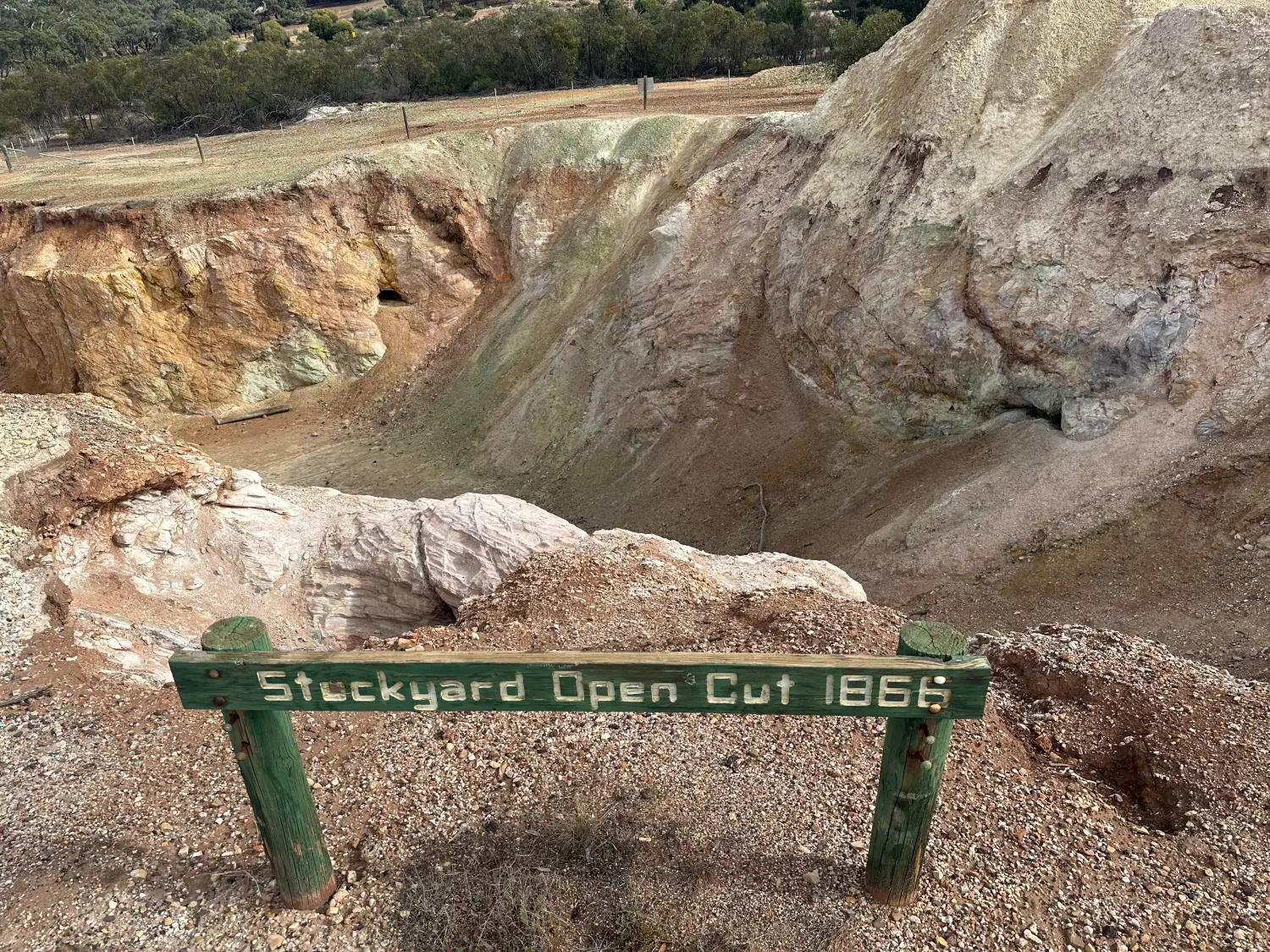 7.14 Copper Mine (1844-1877) Self Guided Walk
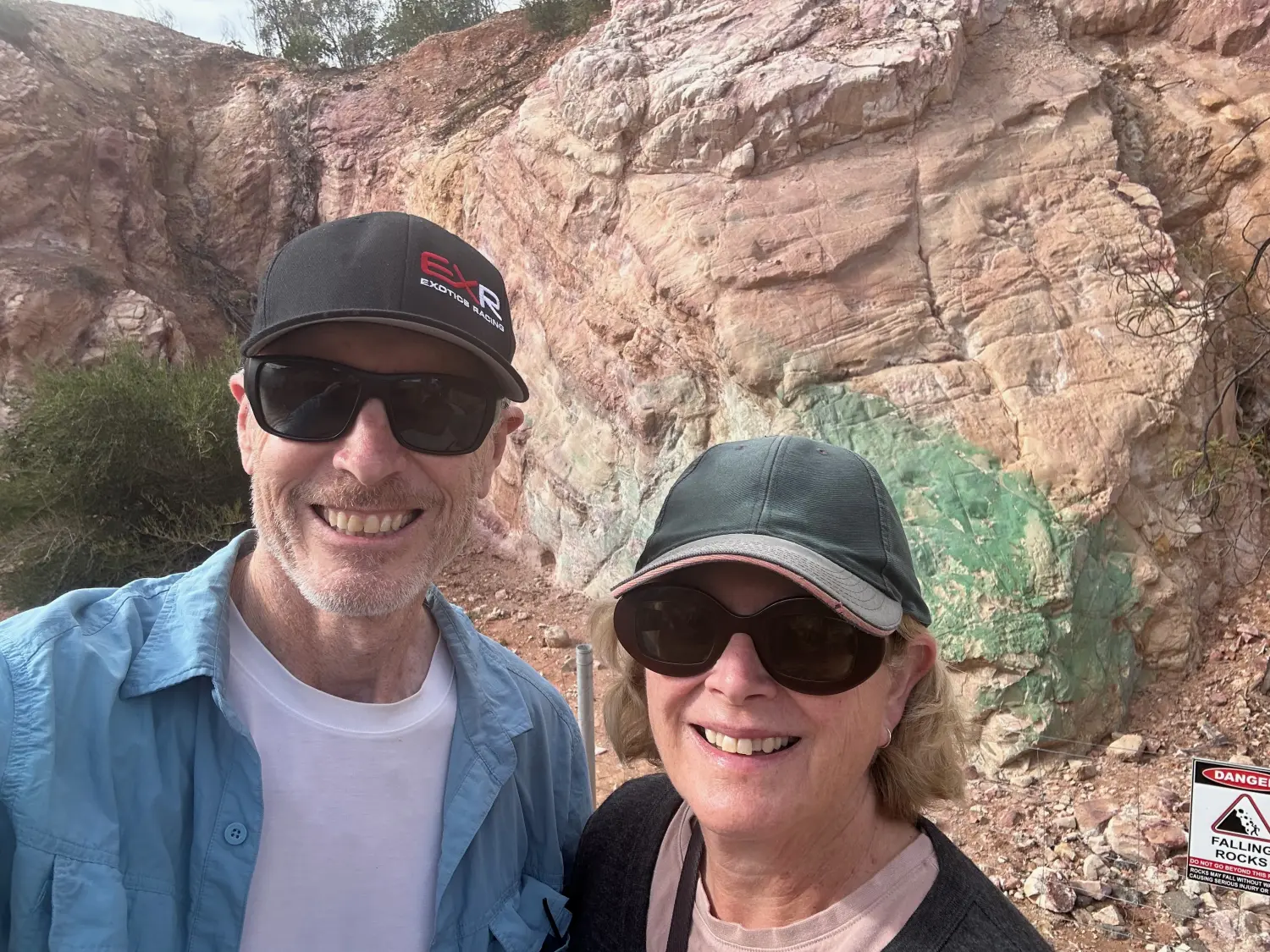 7.15 Kapunda - Copper Mine Self Guided Walk
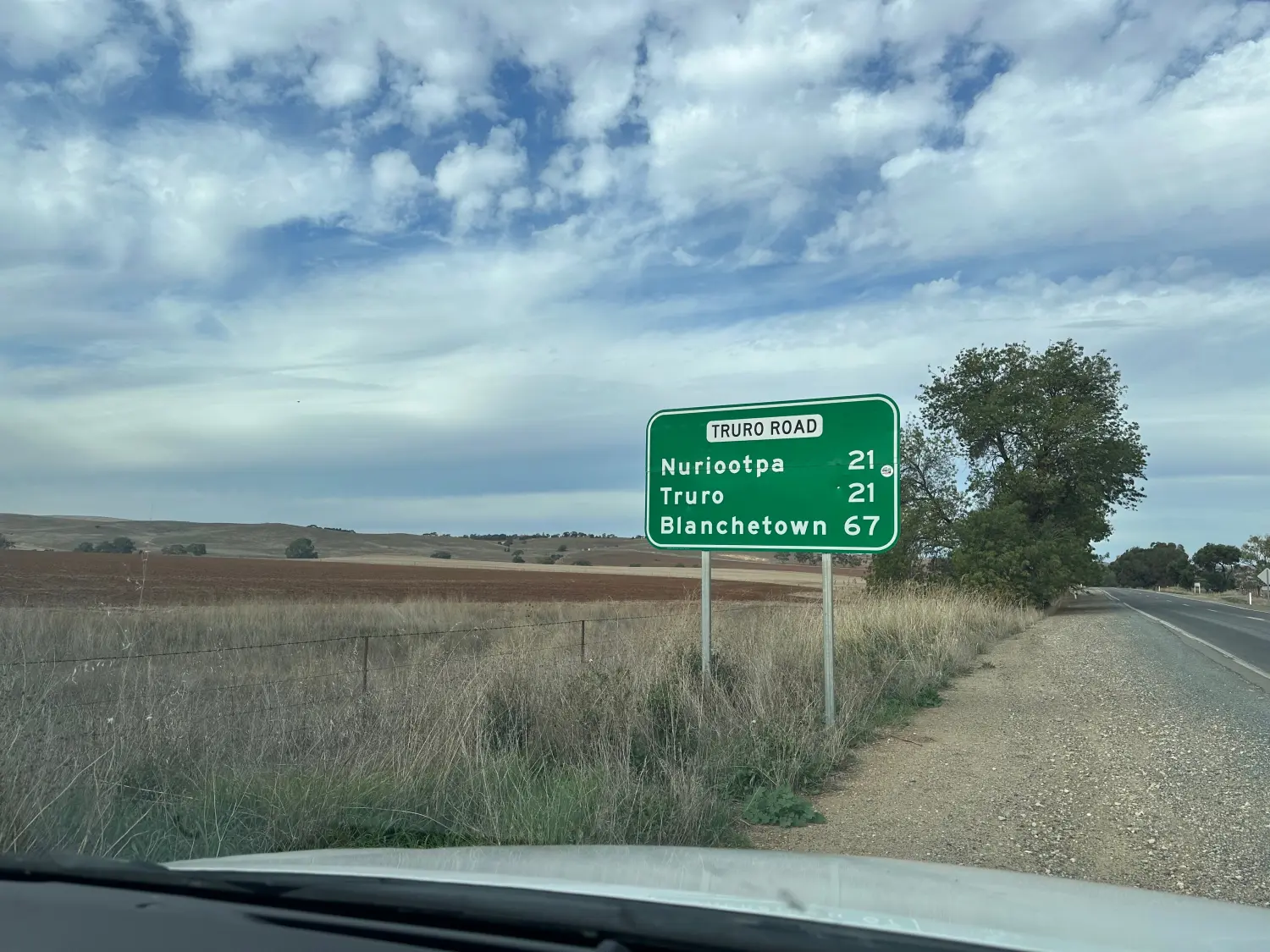 7.16 Kapunda to Nurioopta, SthAust
Finally we drove the last 29 km to our final night stay in Tanunda, via the larger regional service town of Nuriootpa.
After checking into our recently modernised 60s motel, we walked 500 m to a highly recommended bakery. Turns out it had been in the family for many generations and did great pretzels. After afternoon tea we walked another 1,5km to the main part of town and realised we had been there previously in May, 2024 when visiting with friends.
This town has many beautifully renovated early 1900s houses on large residentual blocks.
We walked back to our hotel, relaxed and read the government’s proposed updates to “Negative Gearing & Capital Gains Tax”.
We enjoyed our last dinner for this trip at the Old Mill Brewery.
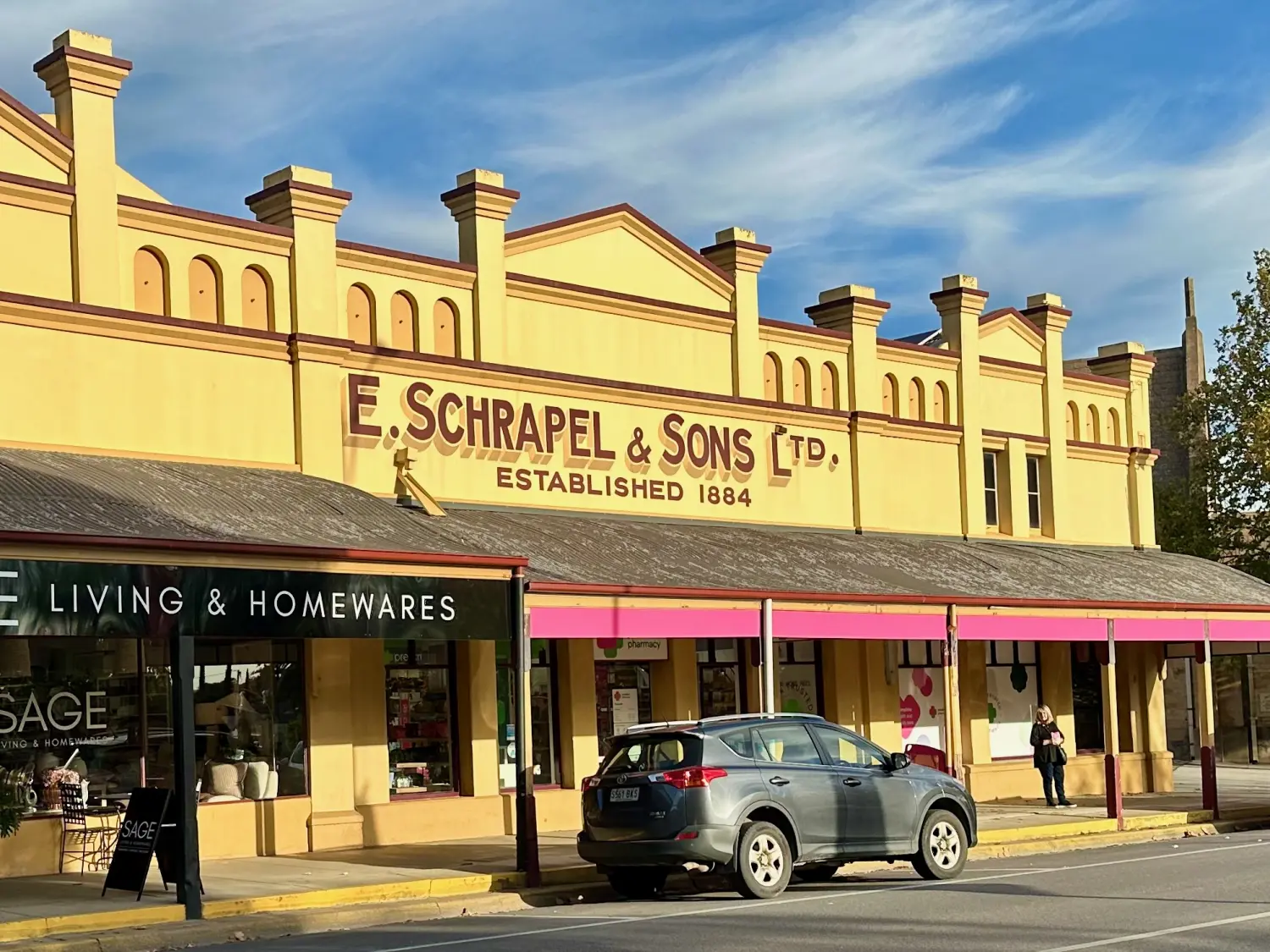 7.17 Tanunda, SthAust
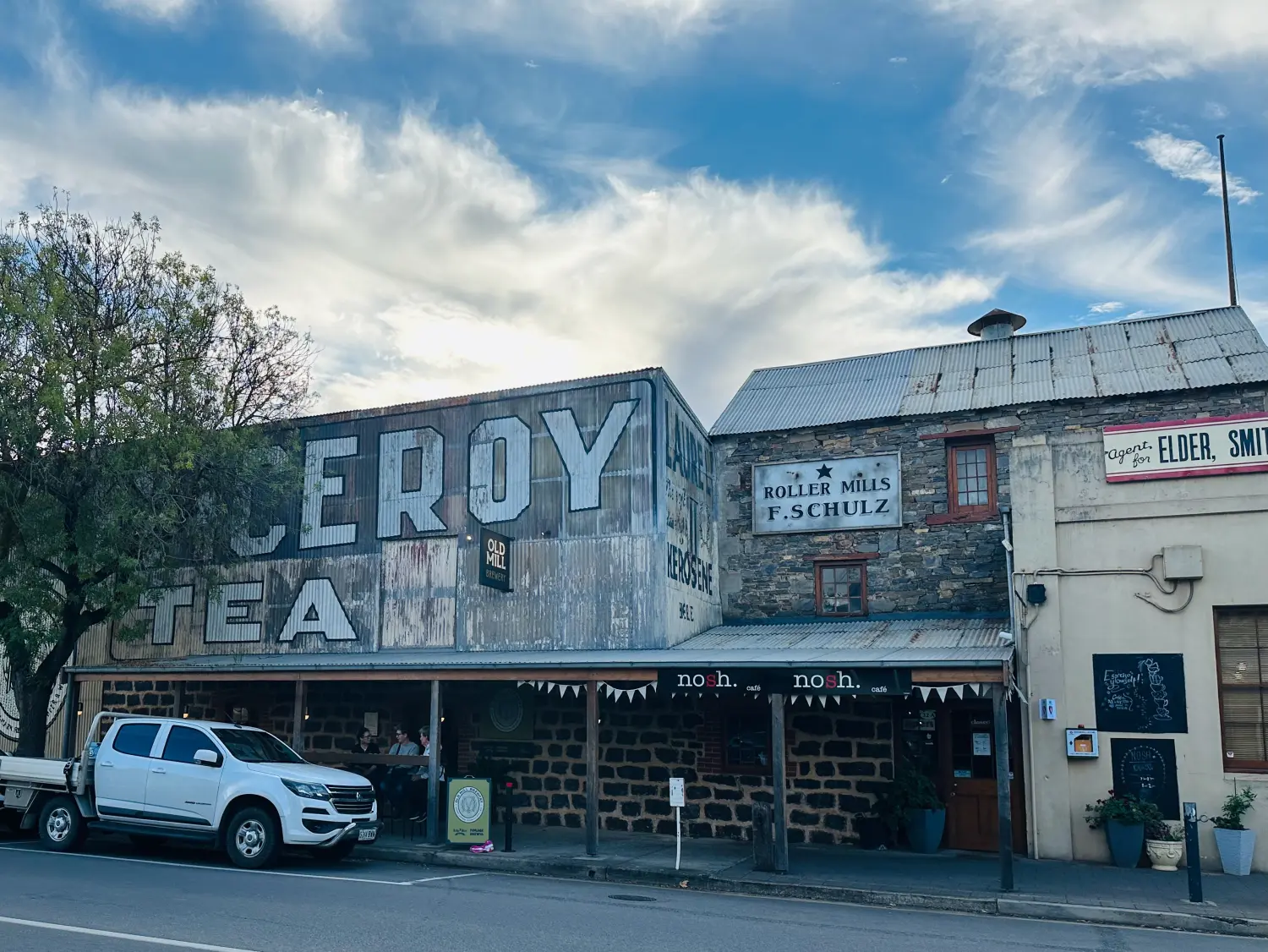 7.18 Old Mill Brewery - Tanunda
This is our last night before tomorrow’s afternoon flight back to sydney. Today’s driving - 143km